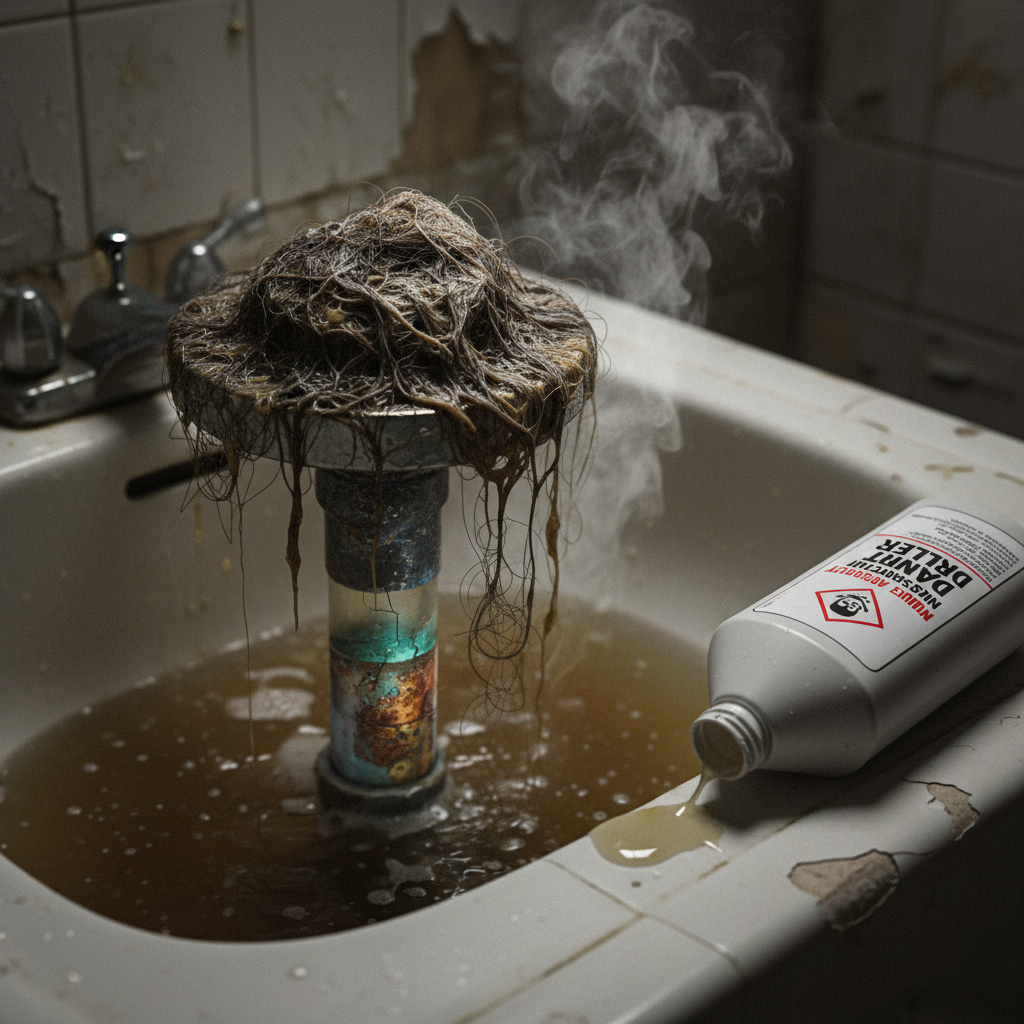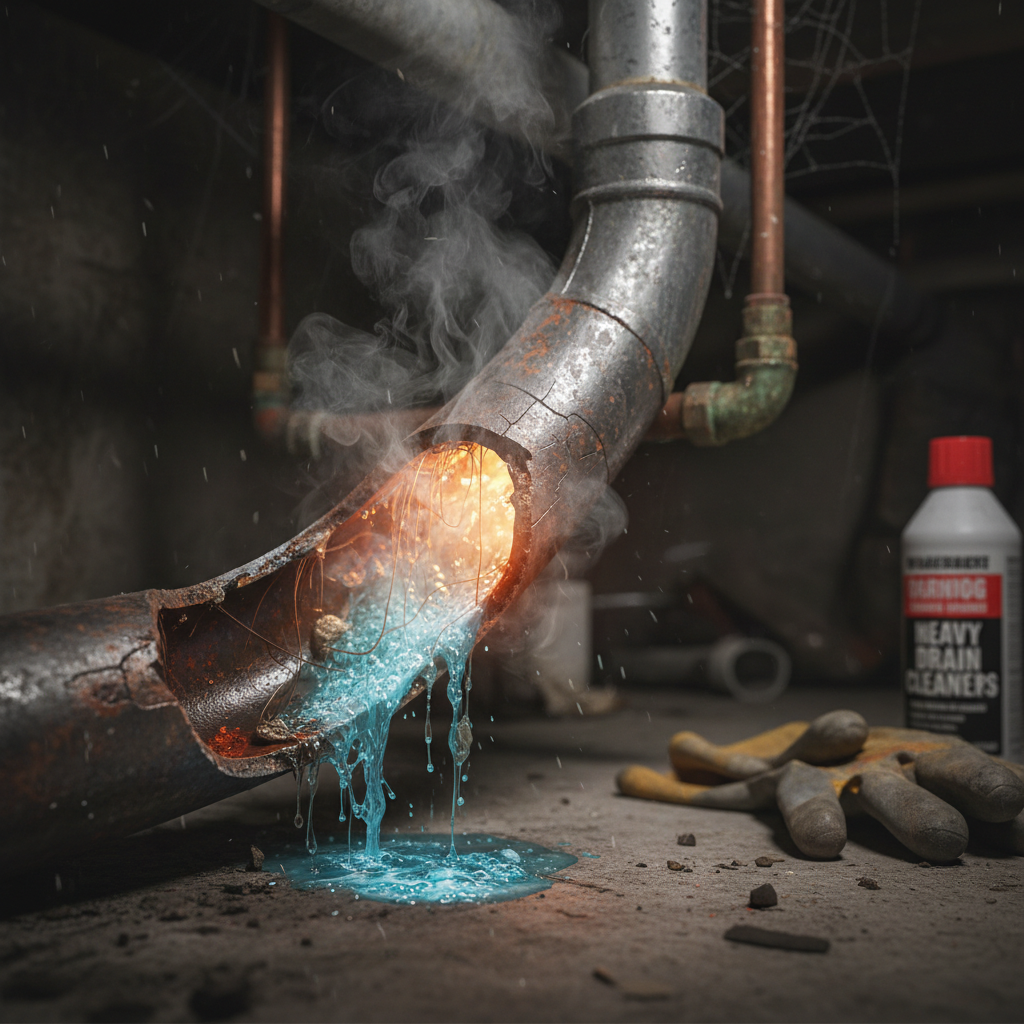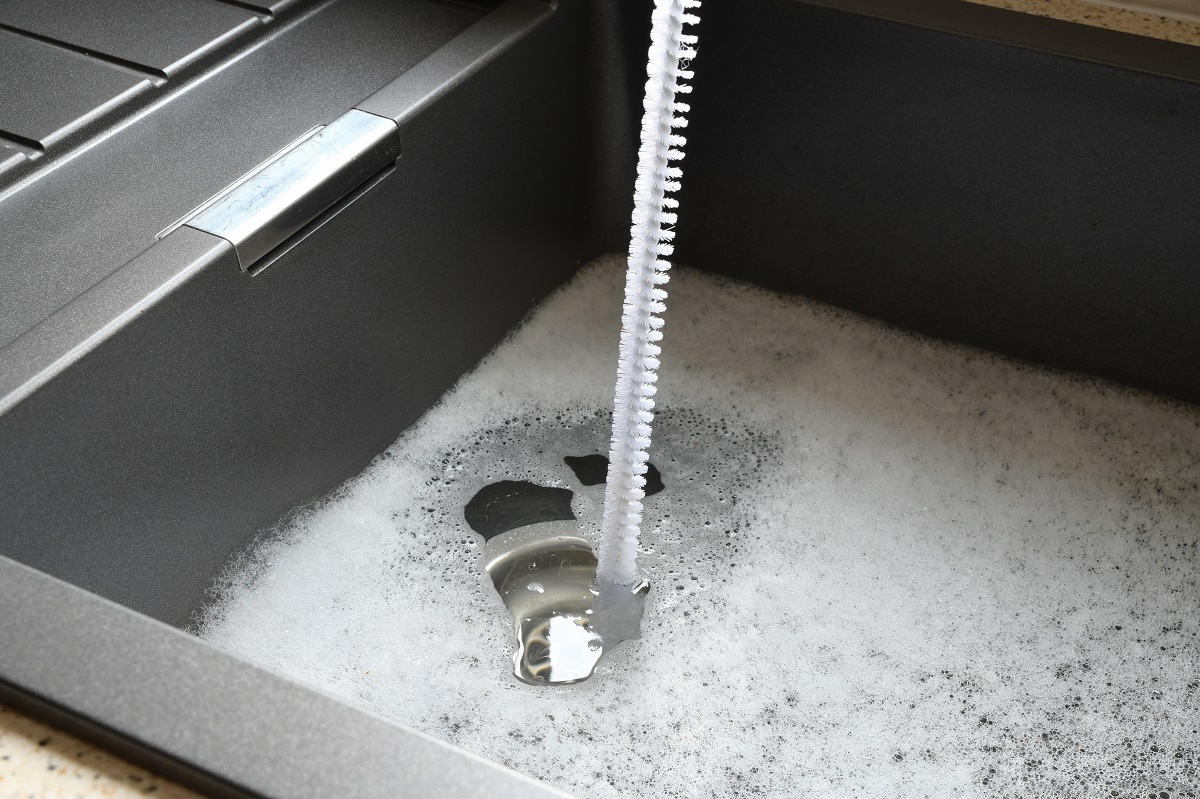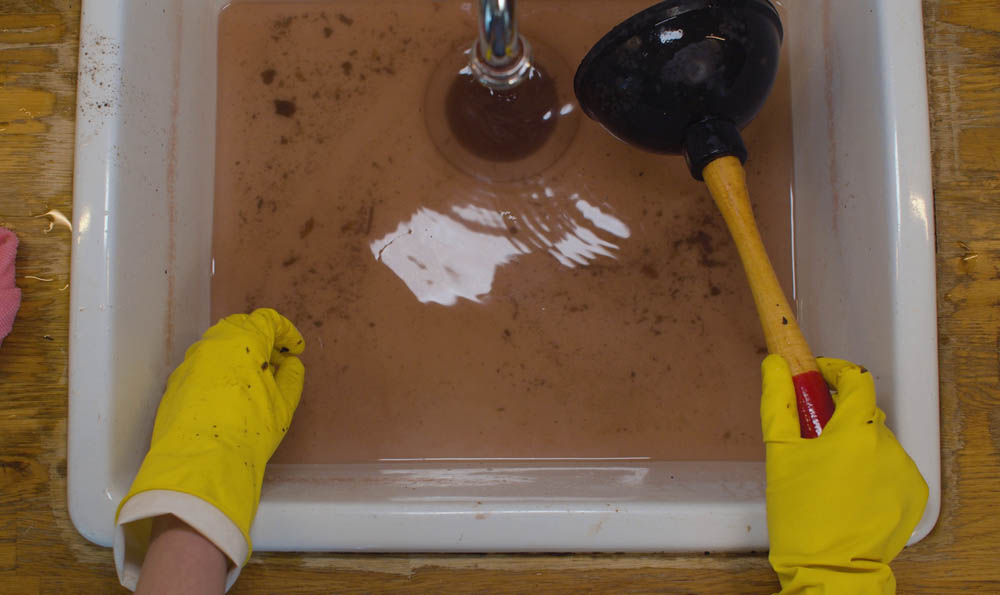

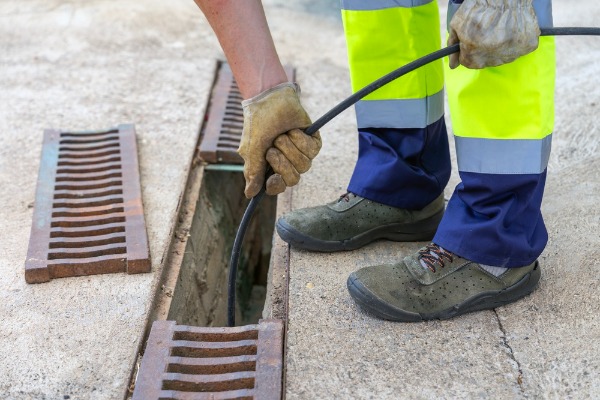
Two houses. Same block. Same city water pressure, same rainfall, same age of neighborhood. One kitchen sink drains in four seconds flat. The house next door gargles, bubbles, and sends water backward into the tub every time someone runs the dishwasher.
We get this call more than almost any other. A homeowner assumes their plumbing problem is personal, something they caused. Usually it isn’t. The real story sits underground, in pipe material, slope, root patterns, and decades of decisions nobody living in the house today ever made.
We’ve spent years untangling exactly this puzzle for drain cleaning in Everett, WA, and the pattern repeats block after block. Two properties can share a property line and still have completely different plumbing fates. Here’s what actually separates a drain that clears from one that keeps fighting back.
The Same Street, Two Different Outcomes
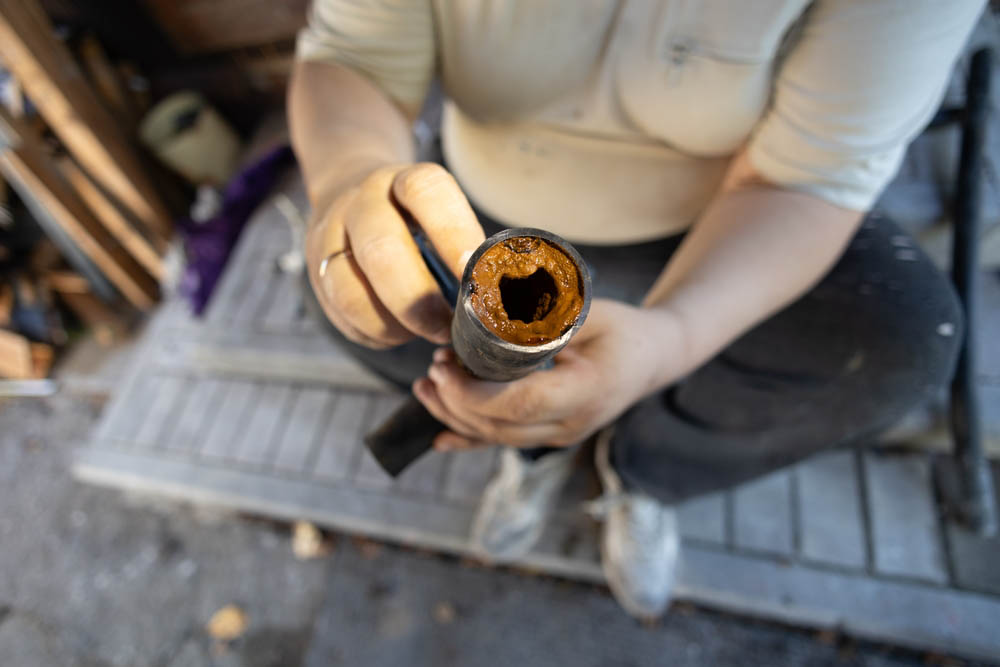
Everett’s housing stock is a mix of eras. Walk through Bayside or Riverside and you’ll pass a 1948 bungalow next to a 2004 infill build. The newer home usually runs PVC. The older one is still working with clay tile, cast iron, or in some cases Orangeburg pipe, a tar-paper composite that was common through the 1950s and has a rough habit of collapsing from the inside out.
Pipe material alone can explain why one home needs a clogged drain fixed twice a year and the other never calls a plumber. Clay and cast iron have joints every few feet. Every joint is a seam. Every seam is an opportunity for roots, grease, or soil to work their way in over time. PVC runs in longer continuous sections with fewer weak points, so it resists the same intrusion.
Root Systems Don’t Respect Property Lines
Everett has a lot of mature trees. Big leaf maples, cedars, and alders line older residential streets, and their root systems reach far past the trunk, often stretching thirty to fifty feet in search of water. A sewer line is basically an underground water source with a leaking joint. Roots find it.
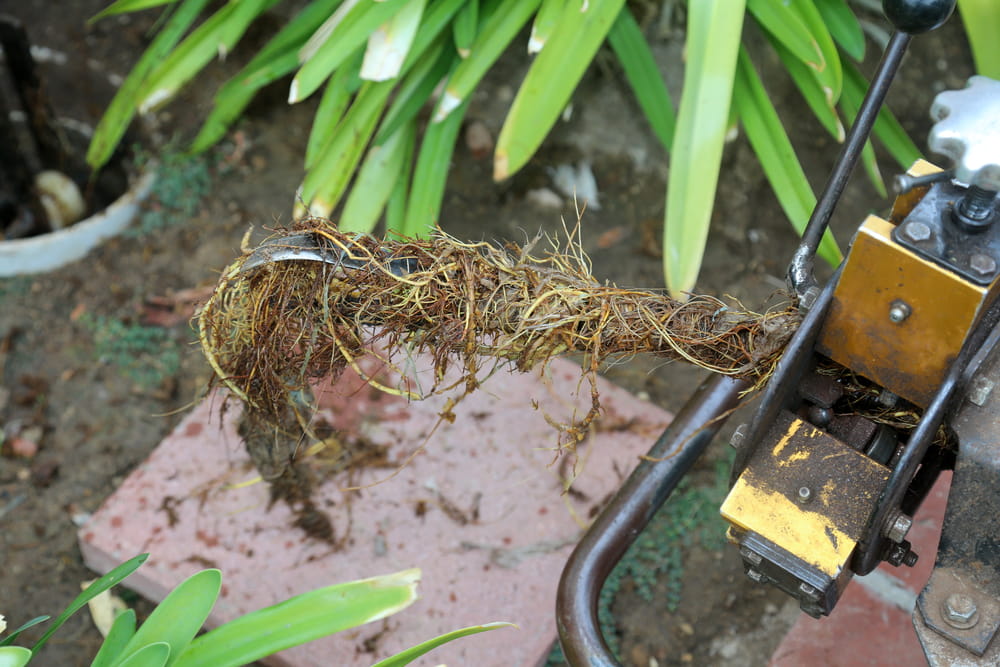
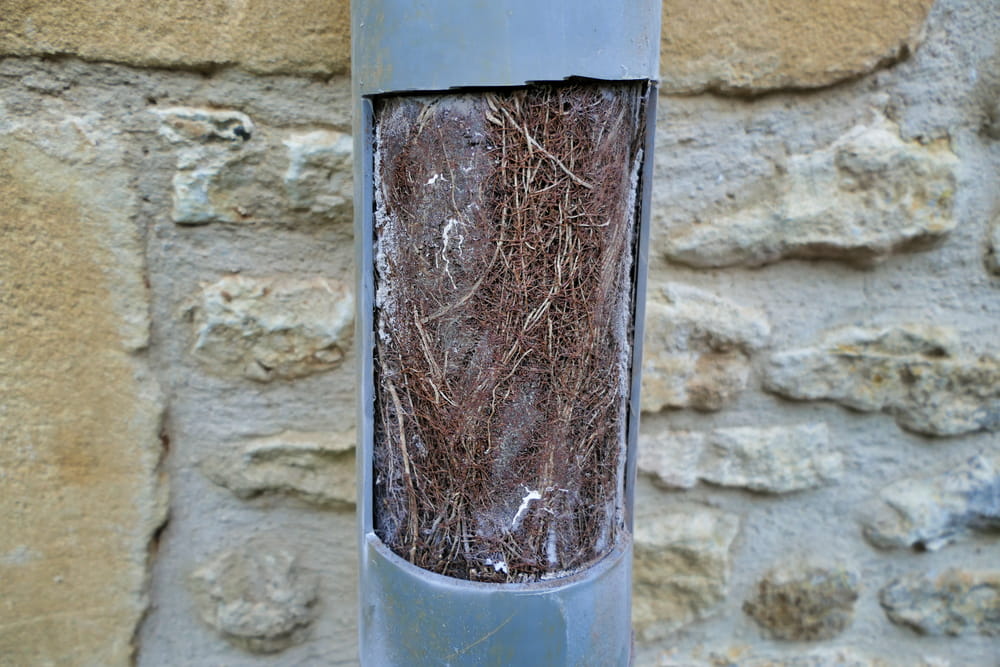
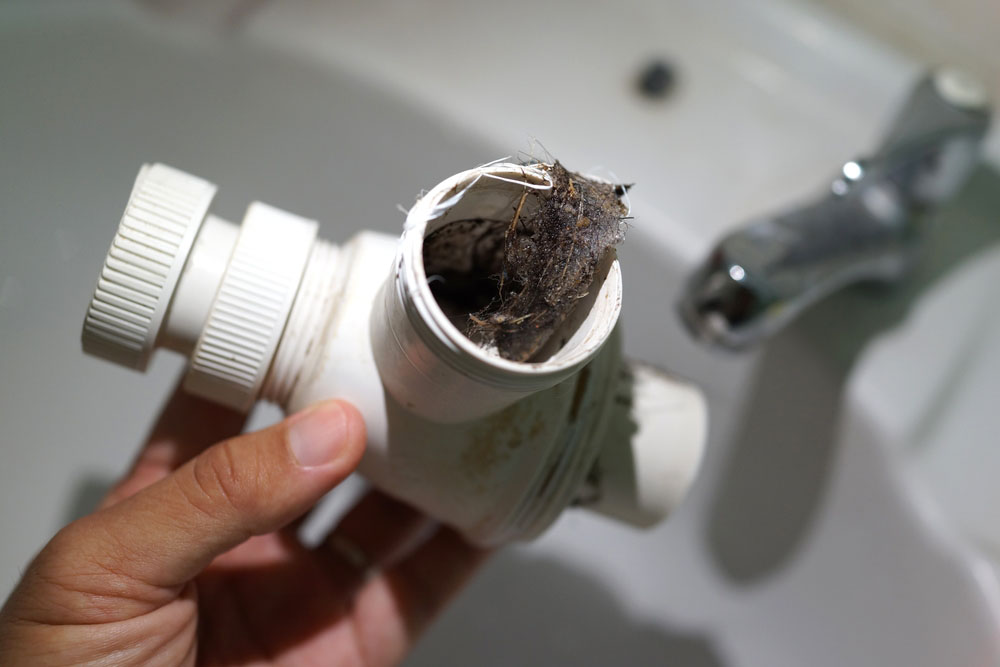
This is why the house with the towering maple in the front yard backs up constantly while the house two doors down, with a small ornamental tree, stays clear. It’s rarely about which house has “worse” plumbing. It’s about which pipe sits closest to an aggressive root system and how many joints that pipe has for a root to exploit. Once roots get inside a line, they thicken every season, catching wipes, hair, and grease until the pipe is functionally closed.
Slope and Grade Problems Hide Where You Can’t See Them
Drain lines need a controlled slope, generally a quarter inch of drop per foot, to keep waste moving by gravity. Too flat, and solids settle instead of flushing through. Too steep, and liquid outruns solid waste, leaving it behind to build up. Either mistake creates a slow, recurring backup that has nothing to do with what the homeowner is putting down the drain.
We see this most in additions and remodels where a bathroom or laundry room got added years after the original build. The new fixture ties into the old line at an angle or grade that was never engineered for it. The result is a drain that works fine for a few years, then starts backing up on a schedule nobody can explain, because the geometry underground was wrong from day one.
Everett’s clay-heavy glacial till soil adds another layer. This ground shifts slightly with our wet winters, and older pipe beds that weren’t compacted well can settle unevenly. A section that had proper slope in 1955 can develop a low spot, called a belly, decades later. Water pools there permanently, waste never fully clears, and the line clogs again and again in the exact same spot.
What We Check Before We Touch a Wrench
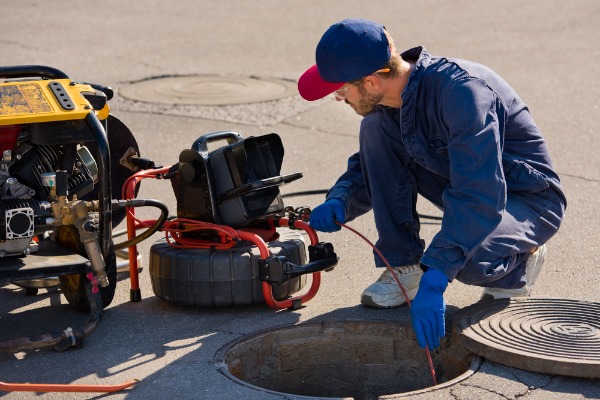
An honest inspection starts with a camera, not a snake. We run a sewer camera through the line to see the actual condition, not a guess based on symptoms. This tells us whether we’re dealing with roots, a belly, a collapsed section, grease buildup, or something structural that a cleaning alone won’t fix.
Once we know what’s inside the pipe, the fix depends entirely on what the camera shows.
Snaking Clears the Path While Jetting Clears the Pipe
Drain snaking is a mechanical solution. A cable with a rotating head punches through a blockage and reopens the channel. It works fast and it’s the right call for a single, isolated clog like a wipe caught in a bend or a hair mass in a bathroom line.
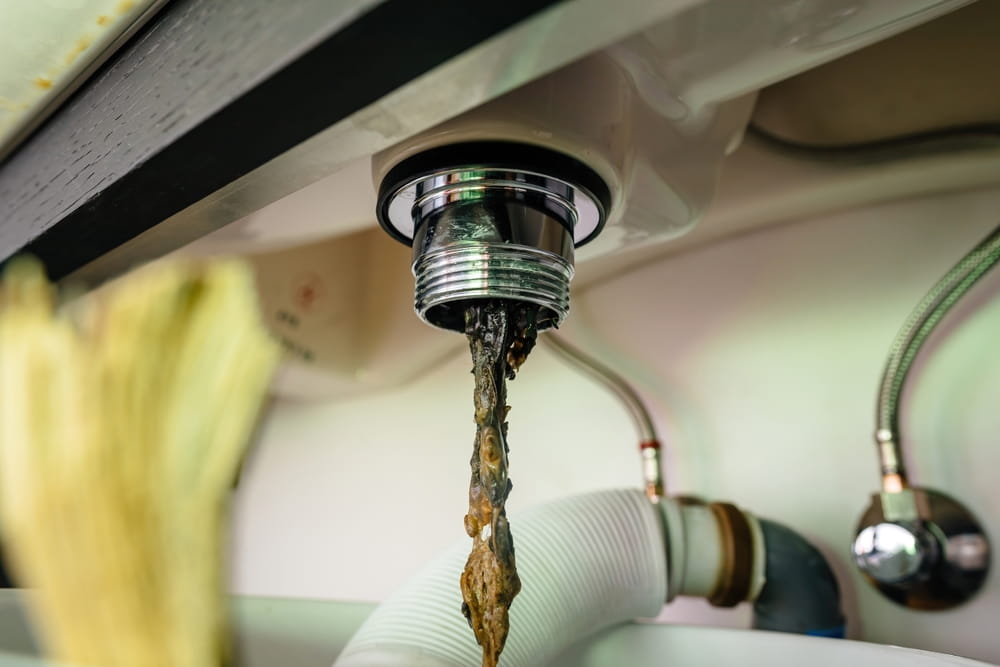
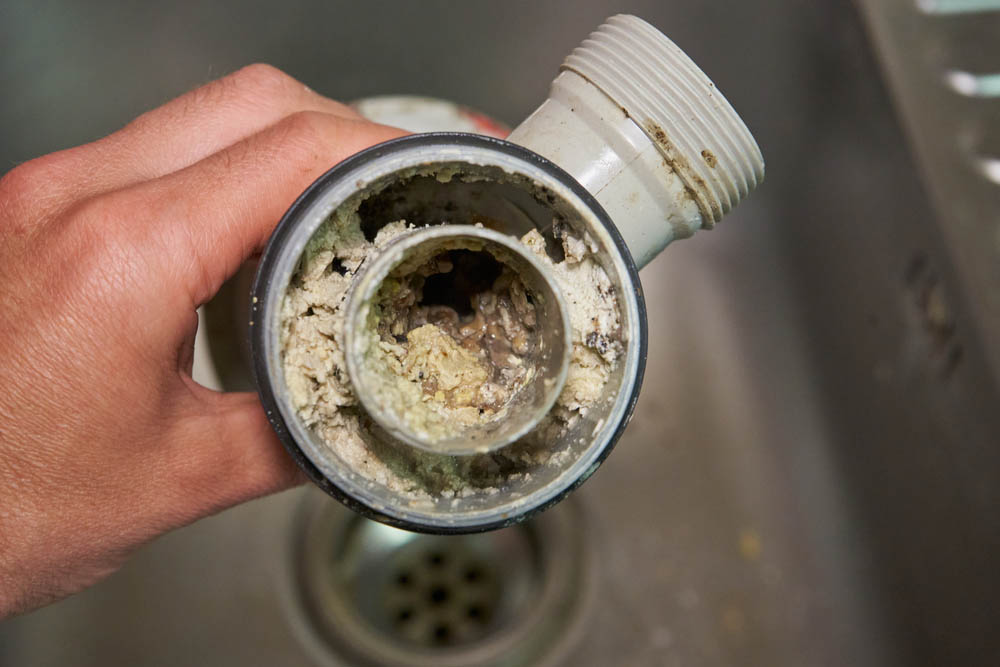
But snaking punches a hole through the problem. It doesn’t remove what’s coating the pipe walls. Hydro jetting uses high-pressure water, run through the full diameter of the pipe, to strip grease, scale, and root hair from the interior surface completely. For a line that keeps clogging in the same spot every few months, jetting is usually the difference between a real fix and a repeat service call. We recommend it specifically for older clay and cast iron lines carrying years of buildup, and for any line where roots have already intruded, since jetting clears root mass more thoroughly than a cable head can.
Why the House Next Door Might Need a Different Fix Than Yours
This is the part homeowners find hardest to accept: the correct repair for a neighbor’s backup is not automatically the correct repair for yours. A recommendation based on a story you heard, instead of a camera inspection of your own line, can lead to money spent on the wrong solution.
We’ve walked into homes where the previous plumber snaked the same line four times in two years without ever running a camera. Each visit cleared the symptom. None of them addressed a belly in the pipe that was going to keep collecting waste no matter how many times it got cabled clear. A five-minute camera inspection would have shown that on visit one.
What to Watch For Between Now and Your Next Service Call
A few signs tend to show up before a full backup hits:
- Gurgling from a different fixture when you run the washing machine or shower
- Water draining slower each week instead of a sudden stop
- A sewage smell near a floor drain or cleanout, especially after heavy rain
- Multiple fixtures backing up at once, which usually points to the main line rather than one branch
Any one of these on its own is worth a call. Two or more together usually mean the problem is bigger than a single clog.
What You Get When You Call Us
- Highly competitive rates on every job, from a single snaking visit to a full jetting service
- Experienced, certified plumbers who read a camera inspection correctly the first time
- 24/7 customer support, because backups don’t wait for business hours
- Cutting-edge equipment, including sewer cameras and hydro jetting units built for Everett’s older clay and cast iron infrastructure
FAQs
- Why does my neighbor’s drain never clog but mine does constantly?
Pipe material, joint count, and nearby tree roots vary house to house even on the same block. A camera inspection of your specific line is the only way to know the real cause.
- Is hydro jetting safe for older pipes?
Yes, when the pressure is matched to the pipe’s condition and material. We inspect with a camera first so the jetting pressure fits what the line can handle.
- How often should a sewer line be professionally cleaned?
Homes with mature trees near the line or pipe older than 40 years typically benefit from cleaning every one to two years. Newer PVC lines with no root exposure can often go much longer.
- Can I just keep snaking the same clog myself?
You can, but repeat clogs in the same spot usually signal a structural issue a cable won’t fix. A camera inspection will tell you if you’re paying to treat a symptom instead of the cause.
- Does a slow drain always mean a clog?
Not always. Grade problems and pipe bellies cause the same slow drainage symptom without an actual blockage, which is why diagnosis matters before repair.
Get Your Line Inspected Before the Next Backup
That gurgle you keep ignoring is data. It’s telling you something specific about what’s happening underground, and the only way to read it accurately is with a camera, not a guess. Two houses on the same street can have completely different pipes, different root pressure, and completely different fixes, and the only way to know which one describes your home is to look.
Call Clearline Sewer Repair and we’ll run a camera through your line, show you exactly what’s happening inside it, and recommend snaking, jetting, or repair based on what we actually see, not what worked for the house next door.