
×

Modern Sewer Rehabilitation Solutions for Property Owners

drain camera inspection screen

Underground pipe failures create immediate stress for property owners. Sewer backup warning signs, damp lawns, and slow drains signal structural issues beneath the surface. When underground infrastructure wears down, property owners often worry about lawn destruction, torn-up driveways, and extended household disruptions. Modern plumbing technology provides structural restoration methods that minimize disruption to landscaping.

We at Clearline Sewer Repair rely on advanced techniques to restore underground pipe integrity while keeping lawns, driveways, and gardens in original condition. Understanding how cured-in-place pipe technology functions helps property owners make informed decisions when addressing underground infrastructure needs. For homeowners seeking reliable trenchless sewer lining in Everett, WA, this technology offers an efficient path toward permanent pipe restoration.

Structural Mechanics of Cured-In-Place Pipe Restoration

Cured-in-place restoration relies on specialized materials designed to form an independent structure inside host pipes. The process begins with an epoxy-saturated felt tube manufactured from polyester fibers. Technicians insert this flexible liner into the target pipe using compressed air or water pressure through a single entry point. Once positioned, hot water, steam, or ultraviolet light activates the resin, causing it to harden into a rigid shell.

This process aligns with ASTM F1216, the standard specification for rehabilitation of existing pipelines by the inversion lining of resin-impregnated tubes. According to testing metrics established by the American Society of Civil Engineers, cured-in-place materials demonstrate a structural design life exceeding fifty years. The resulting structural material resists chemical corrosion, prevents tree root intrusion, and seals existing wall cracks. The inner lining adheres tightly to host pipe walls while reducing internal pipe diameter by less than five percent.

Diagnostic Assessment Through High-Resolution Pipeline Cameras

Accurate rehabilitation requires clear visibility inside the pipe network. Professional technicians deploy high-resolution color cameras equipped with radio transmitters down cleanout access points. These waterproof cameras travel through the entire line, transmitting live video feeds to monitoring monitors on the surface.

Camera inspections identify structural cracks, offset joints, root masses, and sagging pipe sections. Distance counters record exact locations of defects along the line. This diagnostic data determines structural suitability for trenchless pipe lining applications. Clear visual data allows technicians to measure exact length requirements, locate lateral branch connections, and evaluate host pipe cleanings before placing material.

Comprehensive Pipe Cleaning and Surface Preparation Methods

Proper surface preparation dictates the bonding strength of cured epoxy resins. Foreign debris, scale buildup, grease, and intruding tree roots must be removed completely before liner installation. Technicians utilize pneumatic chains and high-pressure water jetting systems operating at pressures between two thousand and four thousand pounds per square inch.

Hydro-jetting equipment strips mineral deposits from internal pipe walls and flushes loose debris into municipal main lines. Rotating mechanical cutters scrape away stubborn root masses and tuberculation. A secondary camera inspection verifies that host pipe interiors are completely clean and free of standing water. This thorough surface preparation enables optimal resin adhesion along the entire length of the host pipe.

The Physical Liner Inversion and Curing Sequence

Inserting resin-impregnated materials requires precise pressure control throughout installation. The inversion process uses compressed air tanks to push the saturated tube through the target pipe, inverting it against the pipe walls as it is installed. As the liner travels through the host pipe, the resin-soaked outer layer rolls against the interior pipe wall.

After full expansion, heat application initiates the chemical polymerization reaction. Technicians circulate hot water or steam through the liner, maintaining temperatures between one hundred eighty and two hundred degrees Fahrenheit for several hours. As temperature rises, liquid epoxy molecules form dense cross-linked polymer chains. The resin hardens into a seamless pipe-within-a-pipe that handles full structural loads independently.

For specific property configurations, technicians utilize specialized pull-in-place methods to execute trenchless sewer repair.

  • In situations involving severe structural collapse or complete pipe destruction, crews utilize hydraulic expansion heads to conduct trenchless sewer replacement.
  • When localized section failures occur without affecting entire pipe runs, technicians apply point-repair sleeves to execute trenchless pipe replacement.
  • Certain localized residential lines benefit from specialized point repair techniques to carry out no-dig pipe repair.

Flow Capacity and Hydraulic Efficiency Improvements

Reducing internal pipe diameter slightly might seem like a restriction to liquid movement, but hydraulic efficiency actually increases following cured-in-place rehabilitation. Smooth epoxy surfaces significantly lower internal friction factors compared to aged clay, cast iron, or concrete surfaces.

Hydraulic calculations utilize Manning’s roughness coefficient to measure fluid friction inside conduits. Aged cast iron and clay pipes carry Manning roughness values between 0.013 and 0.017. Cured epoxy liners maintain a Manning roughness coefficient of approximately 0.009. The National Association of Sewer Service Companies notes that this reduced surface friction increases liquid velocity and volume capacity, fully compensating for the minimal decrease in cross-sectional diameter.

Environmental Considerations and Infrastructure Preservation

Underground utility work impacts surrounding soil ecosystems and surface structures. Conventional excavation disturbs established root systems, disrupts local drainage patterns, and requires transportation of displaced soil to landfills. In contrast, rehabilitation methods operating through existing access points minimize soil disturbance.

Data from the Environmental Protection Agency highlights that non-invasive pipe rehabilitation reduces heavy equipment idle time, reducing site carbon emissions during utility projects. Preserving surface soil structure prevents soil compaction, protects local groundwater pathways, and eliminates asphalt replacement needs. Property owners maintain original landscape layouts, hardscapes, and mature trees without surface restoration costs.

technician reviewing sewer footage

Quality Verification and Final System Integration

Following resin curing, technicians depressurize the system and remove inflation bladders. Precision cutting tools mounted on robotic crawlers travel through the newly lined pipe to reopen lateral branch connections servicing individual plumbing fixtures. These remote-controlled blades trim away liner material covering branch openings with exact precision.

A final high-definition camera inspection verifies structural integrity along the entire rehabilitated run. Technicians inspect wall thickness, surface smoothness, and lateral connection seals. Video documentation records the completed installation, verifying that the new structural lining meets all municipal codes and engineering standards. The rehabilitated pipe returns to active service immediately upon inspection completion.

Frequently Asked Questions

Q: How long does the trenchless lining process take from start to finish?

A: Most residential pipe lining projects require one single day to complete surface preparation, liner inversion, and resin curing. Property owners regain full plumbing functionality shortly after final camera verification.

Q: Can tree roots penetrate a newly lined sewer pipe?

A: No, cured epoxy liners form a continuous, jointless structure that completely blocks root entry points. Without open pipe joints or surface cracks, tree roots cannot enter or damage the line.

Q: What pipe materials can be rehabilitated with trenchless lining?

A: Trenchless lining restores clay, cast iron, PVC, ABS, and corrugated metal pipes. The flexible resin tube expands to fit the exact contours of various host materials.

Q: Does pipe lining require any digging on the property?

A: Most installations utilize existing cleanout access points already present on the property. When cleanouts are unavailable, technicians create one small access opening rather than digging broad trenches across the yard.

Clearline Sewer Repair delivers dependable pipe restoration solutions backed by highly competitive rates and experienced and certified plumbers. Our team remains available around the clock with 24/7 customer support to resolve urgent plumbing challenges quickly. Utilizing cutting-edge technology and equipment, we restore underground pipe infrastructure cleanly and efficiently.

Contact us today to learn more about our comprehensive sewer rehabilitation services.

Why Trenchless Pipe Repair Is Revolutionizing Home Plumbing

outdoor sewer camera inspection

A backed-up drain or a damp patch on the lawn can send panic through any household. Property owners often imagine heavy machinery rolling across the grass, tearing up gardens, and leaving behind a long trail of destruction. We know that traditional excavation feels like a total nightmare for homeowners who love their outdoor spaces. Underground plumbing problems used to mean days of digging, ruined driveways, and massive restoration projects after the plumbing work was finished. Fortunately, modern technology offers a far cleaner way to handle broken lines beneath the ground.

At Clearline Sewer Repair, we help property owners fix underground lines using modern methods that minimize disruption to lawns and landscaping. Homeowners facing sudden sewer issues can depend on modern trenchless pipe repair in Puget Sound, WA to resolve underground damage without turning the yard into a messy construction site.

Understanding the Basics of Underground Repair

Traditional sewer line restoration required crews to dig long trenches through yards, walkways, and landscaping. This older approach exposed the entire length of the pipe so technicians could cut out the damaged sections and lay down new materials. Today, modern technology relies on small entry points to access the damaged infrastructure underground.

Technicians insert specialized equipment through these natural access points to resolve structural problems from the inside out. According to the United States Environmental Protection Agency, thousands of municipal and residential sewer lines across the country suffer from structural decay, root invasion, or age each year. By accessing the pipe internally, property owners avoid heavy excavation altogether.

How Advanced Lining Fixes Broken Lines Internally

One of the most popular modern methods involves creating a brand new pipe directly inside the old one. Technicians clean out the existing line using high-pressure water streams to clear away roots, debris, and built-up grease. Once the pipe is completely clean, a flexible tube soaked in epoxy resin gets pulled or blown through the damaged line.

After the liner is properly positioned, an inflatable bladder expands inside the tube, pressing the resin against the inner walls of the original host pipe. The resin is then cured according to the manufacturer’s specifications, creating a seamless, jointless inner wall. This process, widely recognized as trenchless pipe lining, creates a durable structural line that resists future tree root intrusion for decades.

The Mechanical Process of Pipe Bursting

When an existing line has collapsed or suffered severe structural breaks, simple relining might not offer enough space for structural integrity. In these specific cases, another clever method replaces the line entirely without digging up the lawn. Technicians place a heavy steel cable through the damaged underground channel.

A specialized cone-shaped tool, called a bursting head, gets pulled through the old line using powerful hydraulic winches. As the bursting head moves forward, it shatters the old pipe and displaces the existing pipe into the surrounding soil. Simultaneously, the head drags a fresh, high-density polyethylene line directly behind it. This technique, known as trenchless pipe replacement, installs a completely new line along the exact same path as the old one.

The Science of Minimal Excavation

The main advantage of modern subterranean restoration lies in how little ground needs to be disturbed. Instead of tearing up dozens of feet of turf, driveways, or gardens, crews may require only limited access pits. This means high-value landscaping, expensive stone patios, and mature trees remain completely untouched during the process.

The Water Environment Federation reports that underground infrastructure challenges are growing as residential homes age past forty or fifty years. Avoiding open trenches saves property owners significant stress while keeping neighborhood sidewalks and driveways safe from heavy construction hazards.

Restoring Sewer Lines Without Ruining Lawns

When traditional digging occurs, homeowners face an entire second project once the plumbing crew leaves. Rebuilding custom brick pathways, relaying sod, and replacing damaged shrubbery can add significant costs to the overall project.

Using non-invasive techniques can significantly reduce disruption to the surface landscape. Crews set up their equipment in a compact space, perform the restoration, and clean up the work area within a fraction of the time required by traditional crews. This allows families to return to their normal daily routines almost immediately after the project wraps up.

Exceptional Strength and Long-Term Durability

Modern materials used in non-invasive pipe restoration are built to handle intense pressure and harsh environmental conditions. Epoxy resins and high-density polyethylene materials resist chemical corrosion, ground movement, and invasive tree roots better than traditional clay or cast iron.

Modern cured-in-place pipe materials are built to handle intense pressure and harsh environmental conditions when they are professionally installed and properly maintained. Investing in structural lining solutions gives property owners a reliable, seamless line designed for long-term performance.

Faster Turnaround Times for Urgent Fixes

A standard open-trench plumbing project can easily drag on for four to seven days, leaving families without functional facilities for prolonged periods. The extensive digging, pipe setting, inspection, and backfilling processes require significant manual labor and time.

Modern non-invasive procedures are typically completed in just one or two days. Because crews spend less time digging and filling dirt, the actual restoration phase moves very quickly. Property owners regain full use of their facilities fast, avoiding long hotel stays or prolonged household disruptions.

Preventing Future Tree Root Invasions

Tree roots naturally seek out moisture, making underground sewer lines a primary target for nearby plants. Older pipe systems made of clay or cast iron feature multiple seams every few feet. Over time, ground settling opens tiny gaps at these joints, allowing microscopic root hairs to crawl inside.

Once inside, roots feed on the water supply, expanding until they completely clog or split the pipe. A properly installed seamless pipe can significantly reduce opportunities for future tree root intrusion and recurring blockages.

Environmental Benefits of Modern Plumbing Methods

Preserving the environment is another major advantage of modern subterranean pipe restoration. Traditional open-trench digging relies on heavy, diesel-burning machinery that disturbs local soil ecosystems, destroys plant life, and generates tons of solid waste that ends up in local landfills.

Using less heavy excavation equipment can also reduce disruption associated with the project. Furthermore, keeping the original pipe material in place underground reduces construction debris, making no-dig pipe repair a much cleaner option for environmentally conscious property owners.

What to Expect During the Restoration Process

The entire restoration journey begins with a detailed visual inspection using specialized waterproof cameras. Technicians feed a high-resolution camera down the line to identify the exact locations of cracks, root masses, or structural collapses.

Next, high-pressure water jets clear out all obstructions to prepare the internal pipe surface. Crews then choose the proper non-invasive method based on the camera findings, pull the materials through, and cure or set the new line. A final camera inspection confirms that the new pipe wall is completely smooth, properly sealed, and fully operational before the project is marked complete.

indoor drain camera inspection

Frequently Asked Questions

Q: How long does a non-invasive pipe restoration project take to finish?

A: Many non-invasive projects can be completed within one to two days, depending on the condition and length of the pipe.

Q: Will tree roots ever grow through a lined sewer pipe?

A: A properly installed liner creates a seamless barrier that significantly reduces opportunities for tree root intrusion.

Q: Is modern non-invasive pipe work as strong as a new pipe?

A: The materials used match or exceed the structural strength and life expectancy of standard pipe installations.

Q: Do technicians need to dig up the entire lawn for this service?

A: Crews only need one or two small access points to complete the entire restoration process.

Partner with Our Team Today

Dealing with sewer line problems does not have to mean destroying your beautiful landscape or enduring days of household chaos. Clearline Sewer Repair provides dependable solutions designed to fix underground issues quickly and cleanly. Our team uses cutting-edge technology and equipment to diagnose and restore damaged lines with precision. With highly competitive rates and 24/7 customer support, our experienced and certified plumbers are always ready to help when you need us most. Reach out to our team today to discuss your underground piping needs and get your household running smoothly again.

How Trenchless Sewer Replacement Saves Your Lawn and Money

technician performing sewer inspection

Sewer pipe problems create immediate stress for homeowners. A broken or clogged underground pipe threatens your household plumbing, landscape, and wallet. Understanding modern restoration methods helps you address utility damage while minimizing disruption to your grass, driveway, and landscaping. We at Clearline Sewer Repair work directly with homeowners to fix underground utilities using methods that keep yard disruption to an absolute minimum.

According to data from the Environmental Protection Agency, properly maintained sewer infrastructure prevents severe groundwater contamination and reduces overall property restoration expenses across residential communities. Homeowners needing reliable solutions often choose trenchless sewer replacement in Seattle, WA to keep their property pristine during complex plumbing projects.

Understanding Modern Underground Pipe Restoration

Underground utility lines suffer from natural wear over time. Tree roots infiltrate small cracks, soil shifts put pressure on line joints, and aging materials gradually degrade. Modern sewer restoration addresses these subterranean structural failures without turning your entire front lawn into an open trench. Small entry points allow specialized machinery to access the pipe network beneath your grass.

Through these minimal access points, technicians send flexible cables, cameras, and structural liners directly into the broken utility line. The internal framework of your existing pipe receives a durable structural renewal that handles high wastewater volume for decades. Applying trenchless pipe repair methods keeps your soil structure intact, preserving established root systems and surface features.

Financial Savings Beyond the Initial Pipe Fix

Excavation projects incur secondary costs that surprise many property owners. Heavy machinery tearing through a yard causes damage that requires expensive surface restoration afterward. Rebuilding hardscapes, replacing sod, and repaving asphalt driveways add thousands of dollars to an overall plumbing bill.

Technicians avoid heavy excavation equipment by using narrow access pits. Restricting excavation to smaller access points can reduce the need for extensive land grading, new grass seed, or concrete restoration. The American Society of Civil Engineers notes that indirect restoration expenses often account for nearly half of traditional open-cut utility project budgets. Choosing no-dig pipe repair keeps those secondary landscape expenditures off your final invoice.

How Advanced Lining Materials Preserve Landscaping

Sewer pipe degradation frequently occurs in homes surrounded by mature trees, ornamental gardens, or expensive concrete patios. Traditional equipment destroys these custom exterior features, resetting years of land care and growth. Modern pipe lining techniques create a seamless, solid pipe right inside the old, damaged host line.

  • Epoxy resin materials expand against existing pipe walls to seal all cracks.
  • Continuous seamless designs eliminate joint gaps where tree roots usually enter.
  • Hardened structural liners resist chemical corrosion from everyday household wastewater.
  • Flexible installation materials navigate natural bends in older residential lines.

Using trenchless pipe lining allows specialized crews to rehabilitate underground pipes directly beneath flower beds, retaining walls, and mature shade trees without disturbing the surface soil.

Streamlined Timelines for Residential Projects

Time plays a central role in household plumbing emergencies. Conventional pipe excavation takes several days or even weeks, leaving families with restricted water usage and active construction zones outside their front doors. The equipment noise, safety hazards, and pile-ups of dirt create ongoing daily disruptions.

Many trenchless installations can be completed more quickly than conventional excavation, although project timelines vary based on the pipe’s condition, length, access, and repair method. Crews perform visual camera inspections, clean out residual debris inside the line, and slide new structural materials into position quickly. Utilizing trenchless pipe replacement can minimize household downtime and allow families to resume normal water usage sooner than with some conventional excavation projects.

sewer camera inspection monitor

Structural Durability and Longevity Benefits

Subterranean pipe systems experience constant external stress from ground shifts, vehicle weight overhead, and seasonal freeze-thaw cycles. High-density polyethylene pipes and epoxy resin liners offer exceptional tensile strength that stands up against these ground pressures.

  • High-density materials resist root penetration and ground shift movement.
  • Smooth interior walls reduce friction, helping wastewater move efficiently without buildup.
  • Jointless construction prevents leaks, protecting surrounding soil from contamination.
  • Corrosion-resistant compounds stand up against acidic sewage environments.

Frequently Asked Questions

Q: How do technicians access the underground sewer pipe without digging a trench?

A: Depending on the repair method and site conditions, technicians may use existing access points or create small access pits. Specialized tools and liners can then be used to repair or replace the pipe with far less excavation than traditional methods.

Q: Will trenchless pipe installation work if tree roots have grown into my sewer line?

A: Yes, technicians first clear out the root growth using high-pressure water jets or mechanical cutters. Once the path is clear, the new structural liner fits securely inside the pipe.

Q: How long does a trenchless sewer installation process take?
A: Project timelines vary depending on the pipe’s condition, length, access, repair method, and site conditions. Many trenchless projects can be completed faster than comparable conventional excavation work.

Q: Are trenchless sewer liners strong enough to handle normal household wastewater?

A: The materials used in trenchless liners form a hard, solid pipe that resists corrosion, root invasion, and ground pressure for decades.

Clearline Sewer Repair provides high quality piping solutions designed to protect your wallet and your property. Our team delivers highly competitive rates alongside 24/7 customer support for all your residential plumbing needs. We bring experienced and certified plumbers to every job site, utilizing cutting-edge technology and equipment to handle your pipe restoration with ease.

Reach out to our team today to get your underground plumbing running efficiently again.

The Green Fix: Why “No-Dig” is the Most Eco-Friendly Way to Repair a Sewer

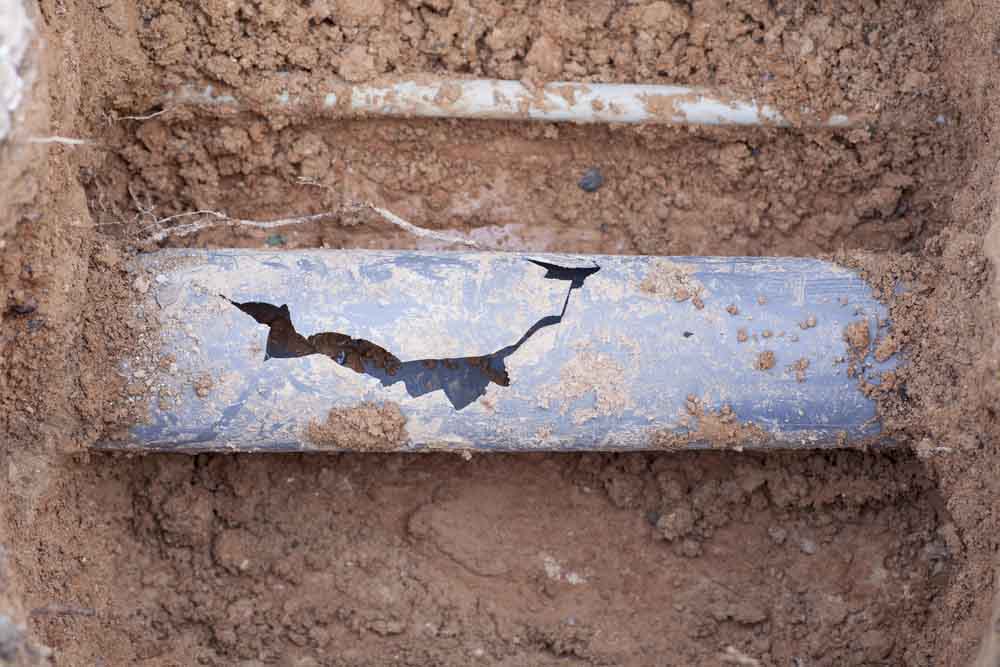
damaged sewer line

damaged sewer line

Sewer repairs have long been associated with heavy machinery, large excavations, and major disruption to yards and streets. Homeowners often don’t realize that these traditional methods carry a hidden environmental cost. At Clearline Sewer Repair, we provide trenchless sewer repair in Seattle, WA, and we see firsthand how it delivers a more sustainable solution that protects your property and the planet.

Less Machinery, Lower Carbon Footprint

Traditional sewer repairs require excavators, dump trucks, and other heavy equipment that burn fuel and produce emissions. No-dig methods significantly reduce the need for these machines, which not only minimizes greenhouse gas output but also reduces traffic and noise in residential areas. When we perform trenchless pipe repair, the environmental impact is far smaller than conventional digging.

Preserving Soil and Landscaping

Excavation can disturb yards, gardens, and even public sidewalks. With no-dig solutions, there is little to no soil displacement, which prevents erosion and soil contamination. Roots, plants, and landscaping remain intact, and homeowners don’t face costly restoration. Using trenchless pipe replacement, we can reinstate damaged lines without tearing up lawns or streets.

Efficient Use of Materials

No-dig methods often involve relining existing pipes or replacing only the damaged section. This reduces the need for excess pipe materials, gravel, or concrete used in trenching projects. By performing trenchless sewer replacement, we conserve resources and limit waste, making the repair more eco-friendly from start to finish.

How No-Dig Methods Work

We rely on advanced technologies to minimize disruption:

  • Trenchless pipe lining involves inserting a resin-coated liner into the existing pipe to create a durable new interior.
  • No dig pipe repair allows small sections of pipe to be repaired without digging a trench.
  • Lining and replacement methods can be performed quickly, reducing labor, machinery usage, and energy consumption.

These no dig pipe repair techniques are not only better for the environment but also often more convenient and faster for homeowners.

Frequently Asked Questions

Is no-dig repair more expensive than traditional methods?

Costs are comparable, and savings often come from avoiding landscaping repair, excavation, and cleanup.

Can all sewer lines use trenchless methods?

Most residential pipes are good candidates, but inspections determine if the pipe condition supports lining or trenchless replacement.

Does trenchless repair last as long as traditional excavation?

Yes. Modern materials and installation methods provide durability equivalent to or better than conventional repairs.

Is it really better for the environment?

Yes. Reduced machinery, minimal excavation, and less material waste make no-dig repairs far more sustainable.

Eco-friendly sewer repairs are possible without sacrificing quality. At Clearline Sewer Repair, we specialize in no dig solutions such as trenchless pipe lining. Our methods reduce carbon footprint, protect your landscaping, and restore your sewer system efficiently. Drop us a line today to explore sustainable solutions for your home’s plumbing!

Sewer Pipe Repair Made Easy

There is no denying that sewer pipe repair can be costly but also highly important. It’s common for some plumbers to take shortcuts and make minor repairs to save money and time. On the contrary, the team at Clearline Sewer Repair carries very high standards to ensure every sewer pipe repair is appropriately done.

Causes & Signs of Damaged Sewer Lines

Think of sewer pipes as the arteries that run through our bodies and keep us up and running 24/7. So whenever something goes wrong, it’s best left to the professionals. 

Common causes for sewer line damage are:

  • Out-of-control tree roots that are in search of water. Once in contact with pipes, they wrap around, creating immense pressure that eventually cracks the line.
  • Corroded pipes result from calcium and magnesium build-up from regular wear and tear. If left untreated, it leaves the pipe vulnerable to cracks and leaks. 
  • Extreme temperatures, like cold weather, can freeze pipes and, as a result, burst due to expanding ice. Scorching heat can also lead to pipes bursting. 

Some tell-tell signs of a damaged line are: 

  • Flooded or foul-smelling yard results in water pooling that eventually seeps through dirt and grass, creating an unbearable smell.
  • There are draining difficulties in multiple areas of the house. Toilets are a big red flag so look out for gurgling noises as the air gets pushed back up the line.
  • Water damage in the home is another warning. Mold spreading on the floors and walls is a massive sign that you should call a plumber immediately.

Simple Sewer Line Repair & Replacement

If your sewer line springs a leak or breaks and needs repairing, you have two options: Dig a trench around the sewer pipe or use trenchless sewer line repairs. Whichever method you decide on, the professionals at Clearline Sewer Repair will be in and out in no time. 

Our services stand out from the rest, and with our time and cost-effective methods, you can rest assured the problem will be taken care of. Join the hundreds of other satisfied customers who had sewer pipe repairs. Give Clearline Sewer Repair a call today at 206-590-3881!

Smooth Septic to Sewer Conversion

Clearline Sewer and Repair offers streamlined septic to sewer conversion and guarantees a job well done every time. Now’s the time to switch if you can’t stand cleaning, repairing, and maintaining your septic tank.

As time goes on, the infrastructure of modern cities will grow. The opportunity to connect to newer sewer systems comes up, and if you’re a savvy homeowner, you will take action immediately. 

Advantages of Converting Your System Immediately

When taking on any home improvement project, saving money is your top priority. Being proactive will save you some pocket change because regularly pumping out your septic system adds up your bills drastically. On top of that, any emergency call when your system suddenly fails on you will cost a significant amount of money.

One great convenience is the increase in property value once the conversion is made. Potential buyers may be scared off if repairs, odors, and maintenance issues are present or need to be dealt with. If your home runs on a septic tank and you plan on selling in the future, consider the septic-to-sewer conversion an investment in your home’s value.

Save Time and Money and Make The Switch Today!

If you’re serious about converting your septic system, call 206-590-3881. Clearline Sewer and Repair will schedule a visit, assess the situation, and begin as soon as possible. Don’t hesitate any longer and join the group of satisfied customers who’ve had septic to sewer conversion right now! 

4 Reasons To Get a Sewer Camera Inspection

As homeowners and renters, sewer system issues are something we all inevitably have to deal with at some point. With bathrooms being among the most used areas in the home, regular maintenance and repairs are likely. When you need professional advice, Clearline Sewer Repair is your local source for all sewer-related issues. Below are four reasons to avoid any problems, and schedule your sewer camera inspection with one of our professionals today.

  • It’s Affordable – A sewer camera inspection doesn’t require a lot of equipment or time to complete. It is an excellent way to check on your sewage system without breaking the bank due to a more complex inspection.
  • It Doesn’t Take Long – Compared to many more invasive sewer maintenance tasks, this one is quick and easy. You won’t have to sacrifice areas of your home over days of drawn-out repair service. Your technician will be in and out of your home with plenty of valuable insight to share in no time!
  • Gain an Understanding Of Pipe Health – After a professional sewer camera inspection, your technician will be able to enlighten you on any current issues with your pipes. This way, you can make the necessary repairs quickly.
  • Prevent Damage To Your Property – Finally, a sewer camera inspection will give you a heads up on any potential problems you can prevent with maintenance or repairs.

When it’s time to get a sewer camera inspection, the friendly technicians at Clearline Sewer Repair are here to help. We offer the quickest and most efficient solutions for home inspections. Call us at 206-590-3881 to schedule your service anytime!

Sewer Pipes Need Replacement? Call Clearline Sewer Repair!

As a homeowner, plumbing issues can be worrisome, mainly in highly-trafficked areas like the bathroom. It can be intimidating to notice a problem and try to diagnose and handle the issue on your own. If you suspect you need sewer pipe replacement , Clearline Sewer Repair can help! 

If you’ve noticed any of the following signs, it may be time to contact Clearline Sewer Repair to replace your sewer pipes: 

Increased Utility Bill

An increase in the amount you are paying for your water bill may be the first thing you notice when experiencing sewer pipe issues. While other sources could cause this, it is a telltale sign of a plumbing problem when combined with any further indications below. 

Unpleasant Smell In Bathroom

Sewer pipes transport waste from your home. If you have a problem, you will likely notice an unpleasant smell in your bathroom after some time. 

Fluctuating Toilet Bowl Levels

The amount of water can indicate an issue with flushing waste out of your bathroom in your toilet bowl. If you notice water levels switching from high to low occasionally, you may have a sewer pipe problem on your hands. 

Gurgling Noises While Flushing

Gurgling and bubbling noises indicate a problem with your plumbing system and ability to flush the waste down the toilet. 

Plumbing issues are often unexpected and appear at the most inconvenient times. When this happens, it’s helpful to hire a trusted and experienced professional who can provide a permanent solution. After dealing with an unwanted plumbing issue, the last thing you want is a recurring problem that needs continuous repair. If you conclude that you need sewer pipe replacement contact Clearline Sewer Repair at 206-590-3881 to get the job done! 

Efficient Sewer Pipe Installation by Trusted Professionals

While trying to find a solution yourself may be tempting, hiring a professional is always the way to go with any sewer line work. If you are searching for sewer pipe installation, consider the benefits of working with an experienced contractor at Clearline Sewer Repair.

Sewer pipes are essential for transporting waste out of your home. However, this critical component of your plumbing system can go unnoticed until an issue arises. When you are experiencing plumbing problems and need a new sewer pipe installed, it is vital to get the problem taken care of immediately.

Full Confidence In Quality

When you trust an experienced professional to take care of installing your new sewer pipe, you can have complete confidence the job will get done right. With the highest quality materials and knowledge of the best solutions, you can rest easy knowing your plumbing system will go back to working smoothly in no time. 

Prevent Recurring Issues

There are a lot of complex components involved in a task, like a sewer pipe installation, that an untrained eye can overlook. Instead of a temporary DIY fix, a professional will provide a long-term solution and prevent further problems. 

Save Money In The Long Run

You avoid paying for continuous repairs when you invest in professional sewer pipe installation. The alternative can cost you much more in additional maintenance if the original issue is made worse. 

Working with a professional technician will take the stress and worry out of the sewer pipe installation process. If you need sewer pipe installation, call Clearline Sewer Repair at 206-590-3881 for a free consultation today! 

How Does Septic To Sewer Conversion Work?

Every property has to safely and efficiently dispose of wastewater. You may not know where to begin if you currently run with a septic system and need to convert to the local sewer system. Clearline Sewer Repair is here to assist with all your septic to sewer conversion needs.

Why Does Septic Or Sewer Matter?

How you are disposing of wastewater and human waste from your showers, toilets, dishwashers, floor drains, and watching machines are sometimes a matter of choice. Other times, it is all about your property’s location.

No matter the system you have in place now, understanding how all waste management options work and how they impact your home is essential for all property owners.

Which System Is Better?

You may wonder which option is right for your situation or if one is better than the other. The truth is each option comes with pros and cons, often depending on your building’s location.

  • Septic systems are usually considered to be easier on the environment because there are no chemicals necessary to clean the water. However, the expect to pump out the system on a regular schedule can add up.
  • Sewer systems involve less maintenance and usually less sensitive to a lot of non-human waste that may get flushed into the pipes. When maintenance is required, it usually gets covered by your local municipality. Property owners pay for this service as they would electricity and water.

Making the switch over from septic to sewer is possible but you need professionals to plan and execute the process to ensure it all happens properly. Should you be wishing to go the route of a conversion, our team is happy to go over the details and provide you with a quote for services.

For septic to sewer conversion, you want trusted technicians on the project. Call Clearline Sewer Repair today for a consultation at 206-590-3881.

Call Now Button