

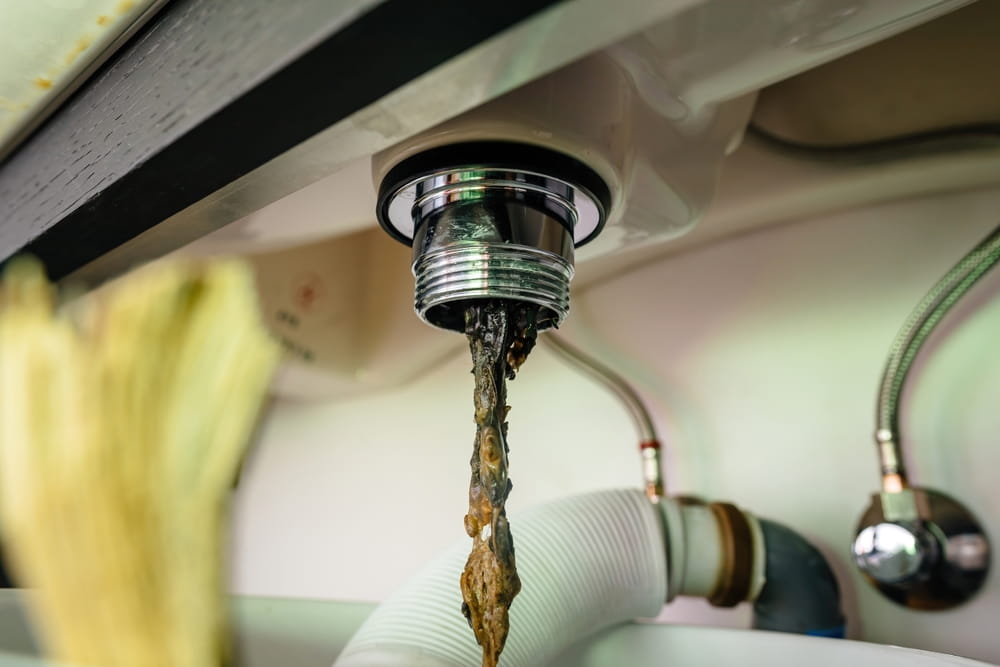
One slow drain is annoying. Three slow drains at the same time tell a very different story. In Seattle, this situation is especially common. Many neighborhoods have mature trees, older sewer infrastructure, and months of steady rainfall that can expose existing weaknesses underground.
Knowing whether you can benefit from trenchless sewer repair in Seattle, WA, at the earliest opportunity can help prevent sewage backups, water damage, and more extensive repairs. Read on as Clearline Sewer Repair shares the causes of multiple drain clogs.
Multiple Slow Drains Usually Point to a Main Line Problem
Dealing with a single clogged drain is straightforward, as the blockage can often be traced to hair slowing a bathroom sink or grease may be restricting a kitchen drain.
When multiple drains begin acting up simultaneously, they’re often connected by a larger problem farther down the system.
Common signs include:
- Toilets bubbling when another fixture drains
- Water backing up into tubs or showers
- Several sinks draining slowly
- Gurgling noises from multiple drains
- Sewage odors inside the home
- Water appearing in lower-level drains after flushing a toilet
As experts in trenchless pipe repair, we always tell homeowners how even one obstruction can impact the entire house. This is mostly because every drain eventually connects to the main sewer line.
Tree Roots Are One of Seattle’s Most Common Sewer Problems
Seattle’s neighborhoods are known for mature trees, and while they add beauty and shade, they also create one of the biggest threats to underground sewer lines.
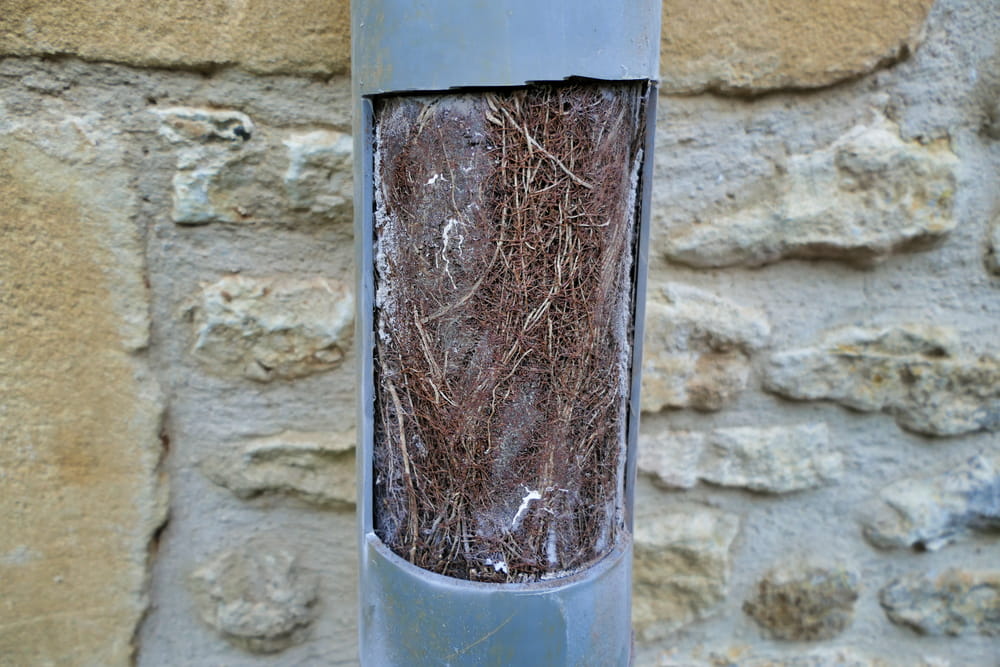
Tree roots naturally seek moisture. Even a tiny crack or loose pipe joint can allow roots to enter a sewer pipe. Once inside, they continue growing, trapping toilet paper, grease, and other debris until wastewater can no longer pass freely.
This often starts gradually. Homeowners may notice an occasional slow drain before multiple fixtures begin experiencing problems.
Older clay and concrete sewer lines are especially vulnerable because joints naturally separate as they age.
Grease Doesn’t Create Problems Overnight
One meal doesn’t clog a sewer line. Neither does one pan of bacon grease. The trouble comes from repetition.
Grease coats the inside of the pipe. Soap sticks to the grease. Food scraps cling to the soap. Months later, you’ve reduced the pipe’s diameter without realizing it.
By the time multiple drains slow down, the buildup has usually been growing for quite a while.
That’s one reason recurring drain clogs deserve more attention than homeowners often give them. If recurring clogs show no signs of slowing down, be sure to talk to an expert and see if you can benefit from no-dig pipe repair or another solution.
Heavy Rain Can Reveal Existing Sewer Problems
Seattle’s rainy climate doesn’t cause sewer clogs, but it can make hidden problems harder to ignore. Here’s how:
- Rain doesn’t clog sewer lines. A healthy sewer system should continue working normally, even during prolonged wet weather.
- Saturated soil can expose existing damage. Cracked pipes, separated joints, and partially collapsed sewer lines may become more noticeable after heavy rainfall.
- Tree root intrusion becomes more problematic. Roots growing inside an already damaged pipe can further restrict wastewater flow when the system is under added stress.
- Backups often appear during or after extended rain. If your sewer line is already compromised, wastewater may no longer move through the pipe efficiently.
- The rain isn’t the cause. It simply reveals a blockage or structural problem that has likely been developing over time.
A Damaged Sewer Line Can Affect Every Drain
Not every clog is caused by debris.
Underground sewer pipes can crack, settle, separate, or partially collapse over time. Soil movement, aging materials, nearby construction, or decades of normal use can all contribute.
When wastewater encounters a damaged section, flow slows dramatically. Eventually, multiple drains throughout the home begin showing symptoms because everything is trying to pass through the same restricted area.
A sewer camera inspection is often the fastest way to determine whether the issue is buildup, roots, or structural pipe damage.
Frequently Asked Questions
Why are all of my drains backing up at the same time?
Multiple drains backing up usually indicate a blockage or damage in the main sewer line rather than separate clogs inside individual fixtures.
Can heavy rain clog my sewer line?
Rain doesn’t directly cause clogs, but it can expose existing problems such as root intrusion, pipe damage, or partial collapses that already restrict wastewater flow.
Should I use a chemical drain cleaner?
Chemical cleaners may help with minor fixture clogs, but rarely solve main sewer line blockages and may damage some types of plumbing over time.
How do plumbers find the cause of multiple clogged drains?
A sewer camera inspection allows plumbers to view the inside of the drain line and identify grease buildup, tree roots, cracked pipes, or other obstructions without unnecessary digging.
Get Answers From a Competent Team
Multiple clogged drains rarely resolve on their own. For homeowners throughout Seattle, early diagnosis is especially important because aging sewer lines, mature trees, and months of wet weather often work together to expose problems beneath the surface.
A professional inspection can identify the exact cause and give you a clear view of what solutions you need. Clearline Sewer Repair is an expert in trenchless sewer repair in Seattle, WA. Call us today to address the problem before it becomes a larger and more expensive repair.