×

The Host Pipe Reality: Why the Condition of Your Old Sewer Matters

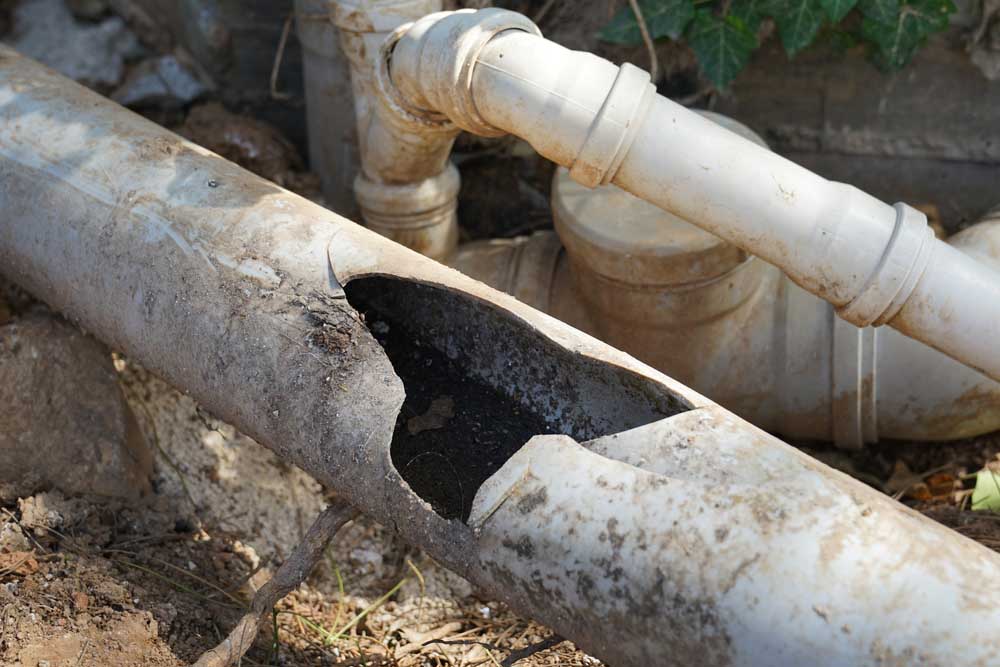
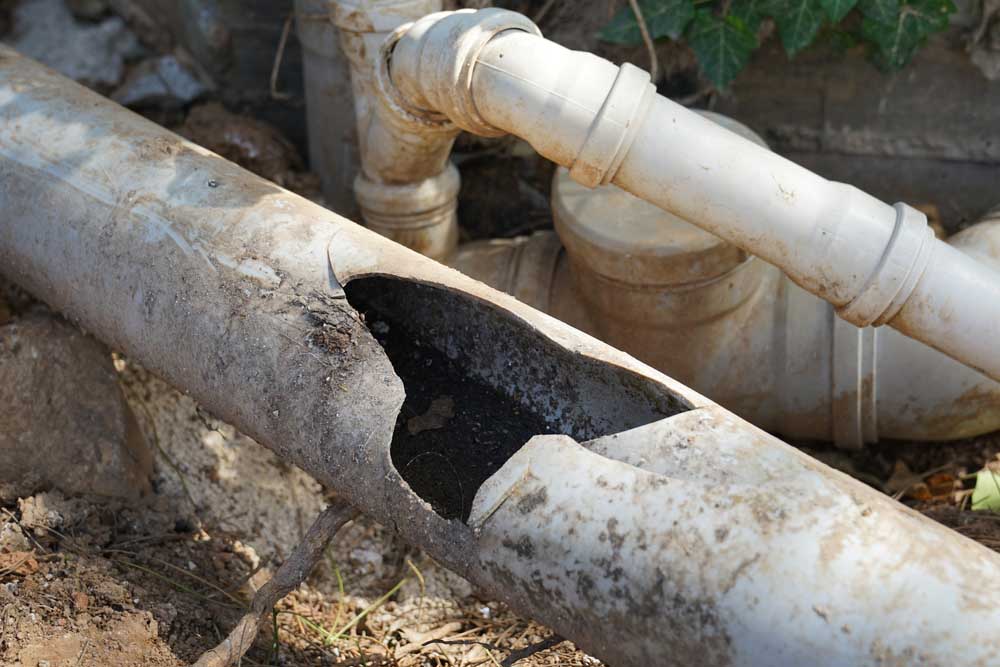
damaged sewer line

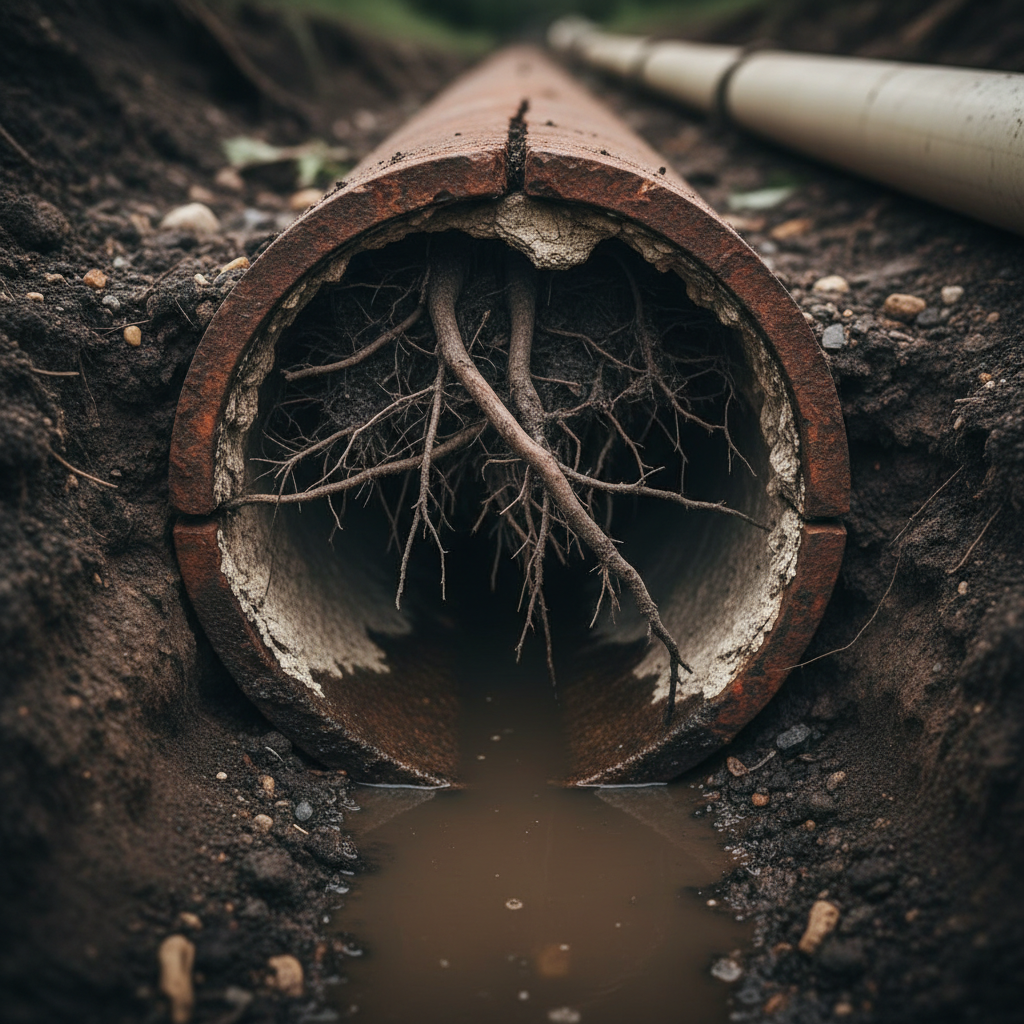
Many homeowners hear about trenchless sewer technology and assume it can fix any pipe regardless of its condition. While trenchless methods are highly effective, they still rely on one important factor: the condition of the existing pipe. The original pipe, often called the host pipe, serves as the foundation for many trenchless solutions. If that foundation is severely compromised, the repair strategy may need to change. Understanding this concept helps property owners make informed decisions about trenchless sewer repair in Seattle, WA, and what is required for a successful outcome. At Clearline Sewer Repair, we often explain that preparation and pipe condition play a critical role in determining the best approach.

The Existing Pipe Still Matters

Trenchless technology works by rehabilitating or replacing underground pipes while minimizing excavation. In many cases, the existing pipe acts as a structural shell that supports the repair process. If sections of the pipe remain intact, they can provide the framework needed for restoration.

According to the North American Society for Trenchless Technology, proper assessment of the host pipe is one of the most important steps before selecting a rehabilitation method. Without understanding the pipe’s condition, it is difficult to determine whether rehabilitation is appropriate or whether another solution is required. This evaluation often serves as the starting point for trenchless pipe repair projects.

Cleaning Creates the Foundation for Success

One of the most overlooked steps in trenchless work is cleaning. Decades of buildup can leave pipes coated with grease, scale, roots, debris, and sediment. These materials interfere with inspections and prevent repair materials from bonding properly.

High-pressure hydro jetting is commonly used to restore the pipe’s interior surface before repairs begin. The process exposes cracks, offsets, and other defects while creating a cleaner surface for rehabilitation. Without thorough preparation, even advanced trenchless methods may not perform as intended. This preparation stage becomes particularly important before trenchless pipe lining procedures are performed.

Structural Damage Has Limits

Not every sewer pipe is a candidate for rehabilitation. Pipes that have experienced severe collapse, extensive deformation, or significant missing sections may lack the structural integrity needed to support certain trenchless methods.

Video inspections allow technicians to evaluate wall thickness, alignment, root intrusion, and overall stability. These findings help determine whether the pipe can support rehabilitation or whether a different solution is more appropriate. In situations where damage extends beyond repairable limits, trenchless pipe replacement may provide a more suitable path forward.

Technology Works Best with Accurate Diagnostics

Modern camera systems provide detailed information about pipe conditions before work begins. These inspections help eliminate guesswork and give homeowners a clear understanding of what is happening underground.

The Environmental Protection Agency recognizes condition assessment as an important component of managing aging wastewater infrastructure. Reliable inspection data helps determine which repair method aligns with the condition of the existing line and supports better long-term performance. This information is often essential when evaluating whether trenchless sewer replacement is the most practical solution.

Minimizing Excavation Does Not Eliminate Preparation

Many property owners are drawn to trenchless technology because it reduces disruption to landscaping, driveways, and other surface features. While no dig pipe repair methods minimize excavation, they still require careful planning, cleaning, and evaluation before rehabilitation begins.

The success of the repair depends not only on the technology itself but also on the condition of the host pipe supporting the process. A thorough assessment helps identify the most effective solution for the specific circumstances underground.

Frequently Asked Questions

What is a host pipe?

The host pipe is the original sewer pipe that remains in place during many trenchless rehabilitation procedures.

Can trenchless methods repair collapsed pipes?

It depends on the extent of the collapse. Severe structural damage may require a different repair approach.

Why is cleaning necessary before trenchless repairs?

Cleaning removes roots, debris, grease, and buildup that can interfere with inspections and repair materials.

How do technicians determine if trenchless repair is possible?

Video camera inspections evaluate the pipe’s condition, stability, and suitability for rehabilitation.

The condition of an existing sewer line often determines which trenchless solution is the right fit. Clearline Sewer Repair uses cutting-edge technology and equipment to thoroughly evaluate underground pipes before recommending a repair strategy. With highly competitive rates, experienced and certified plumbers, and 24/7 customer support, we help homeowners understand what is happening below ground and identify practical solutions that match the condition of their sewer system. Get in touch with us today to schedule an appointment!

The Lower Lateral: Navigating City vs. Homeowner Responsibility in Sewer Repair

sewer line

Few sewer problems create more confusion than figuring out who is responsible for fixing a damaged sewer line. Many homeowners assume the city handles every pipe connected to the public sewer system, only to discover that a large portion of the line falls under private ownership. Understanding where responsibility begins and ends can save time, reduce stress, and help property owners make informed decisions when facing sewer repair in Everett, WA.

At Clearline Sewer Repair, we regularly help homeowners determine ownership boundaries before work begins, giving them a clearer picture of what needs attention.

Understanding the Lower Lateral

The sewer line that carries wastewater away from a home is often called the lateral sewer line. In many municipalities, homeowners are responsible for the section running from the house to the point where it connects to the public sewer main. This portion is frequently referred to as the lower lateral. The U.S. Environmental Protection Agency explains that property owners are commonly responsible for maintaining and repairing private sewer laterals, even when those pipes extend beneath sidewalks, streets, or public rights-of-way. Because local regulations vary, property owners often discover their responsibilities only after a problem develops. When questions arise about ownership, professional sewer repair services can help identify the affected section and determine who is responsible for the repair work.

Why Ownership Boundaries Matter

Responsibility becomes important when a blockage, crack, or collapse occurs. If damage is located within the homeowner-owned section, repair costs typically fall to the property owner. If the issue is found in the municipal main line, the city generally handles the repair. This distinction becomes especially important because sewer line failures are not uncommon. The American Society of Civil Engineers has repeatedly identified aging wastewater infrastructure as a concern across many communities, with older pipe systems requiring ongoing attention and upgrades. Knowing exactly where the problem exists is often the first step before deciding whether to replace sewer line sections or pursue another solution.

Common Signs of a Private Sewer Line Problem

Several warning signs may point to issues within a homeowner-owned lateral. Frequent backups, slow drains throughout the house, recurring clogs, and sewage odors around the property often indicate a problem somewhere between the home and the municipal connection. Tree root intrusion is one of the most common causes of damage. Roots naturally seek moisture and can enter small pipe openings, gradually creating larger cracks and blockages. In older neighborhoods, deteriorating materials and shifting soil conditions can also contribute to pipe failures that require sewer pipe line repair.

Inspection Provides the Answers

Guessing where a sewer problem exists can lead to unnecessary frustration. Video camera inspections allow technicians to locate defects, identify ownership boundaries, and determine the overall condition of the line without extensive excavation. This technology helps property owners understand whether the issue involves a localized repair, a damaged section, or a larger project that may require sewer line replacement. Accurate diagnostics also provide valuable documentation if municipal agencies need to become involved in the evaluation process.

Frequently Asked Questions

How do I know if the city or homeowner is responsible for a sewer repair?

Responsibility depends on the location of the damage. A sewer camera inspection is often the fastest way to identify where the issue exists.

Does homeowner’s insurance cover sewer line repairs?

Coverage varies by policy. Some plans include sewer line endorsements, while others exclude underground utility repairs.

Can a sewer line under a public street still be my responsibility?

Yes. In many areas, homeowners remain responsible for their private lateral even when it extends beneath public property.

What causes most sewer lateral failures?

Tree roots, aging pipe materials, soil movement, and corrosion are among the most common causes.

Understanding sewer ownership can make a challenging situation far less confusing. Clearline Sewer Repair helps property owners identify the source of sewer problems, clarify responsibility boundaries, and evaluate practical repair options. With highly competitive rates, experienced and certified plumbers, 24/7 customer support, and cutting-edge technology and equipment, we provide the information and expertise homeowners need when sewer concerns arise. Contact us today to schedule an appointment!

Is Your Neighborhood’s “Construction Boom” Damaging Your Old Sewer Line?

damaged sewer line

When new construction starts popping up in a neighborhood, most homeowners think about noise, traffic, and temporary disruption above ground. What often gets overlooked is what is happening below the surface. Heavy machinery, repeated ground vibration, and soil compaction can place added stress on older underground pipes.

At Clearline Sewer Repair, we often see this during sewer repair in Monroe, WA, especially in areas with aging clay sewer lines that were never designed for today’s level of ground activity.

How Construction Activities Affect Sewer Lines

Large equipment used for excavation, grading, and foundation work creates vibration that travels through the soil. Over time, this movement can shift or stress older pipe systems. Clay pipes are especially sensitive because they rely on rigid joints rather than flexible materials. When soil shifts, those joints can separate or crack.

Common impacts include:

  • Joint separation from ground movement
  • Cracks forming along weakened pipe sections
  • Soil displacement around the line
  • Increased pressure on already aging materials

These issues often develop gradually, not all at once.

Why Older Clay Pipes Are More Vulnerable

Clay sewer pipes were widely used in older neighborhoods, but they do not handle vibration or shifting soil well. Once a joint loosens or a section cracks, the pipe becomes more likely to collect debris or allow roots and soil intrusion. This is where sewer repair services are often needed to evaluate whether damage is isolated or part of a wider structural issue.

Signs Your Sewer Line May Be Affected

Damage from nearby construction is not always obvious right away. Homeowners often notice:

  • Slow drains in multiple fixtures
  • Recurring clogs in the same line
  • Gurgling sounds from drains or toilets
  • Wet patches in the yard without clear cause

These signs can point to movement or damage in the buried line rather than a simple blockage.

When Repairs Won’t Suffice

If inspections show repeated fractures or widespread weakening, a simple fix may not hold long-term. In these cases, technicians may evaluate whether it is time to replace sewer line sections or consider a full system update. This helps reduce the cycle of repeated failures in different areas of the same pipe.

How Trenchless Methods Help Limit Disruption

Modern sewer pipe line repair techniques allow damaged sections to be addressed without digging up large portions of the yard. Depending on the condition of the pipe, this may include lining or full structural replacement using trenchless methods. When damage is extensive, a full replacement may be recommended to restore long-term function rather than continuing isolated repairs.

Why Thorough Inspections Are a Must in Construction-Heavy Areas

Not all neighborhoods experience sewer line stress the same way. Areas with ongoing development often have more soil movement than expected, especially when heavy machinery is involved for long periods. A camera inspection helps identify whether cracks, offsets, or intrusion are present before the issue worsens.

FAQs

Can nearby construction really damage sewer lines?

Yes, vibration and soil movement from heavy equipment can stress older or fragile pipes over time.

Are clay sewer pipes more vulnerable?

Clay pipes are more rigid and can crack or separate more easily when the ground shifts.

How do I know if my sewer line is affected?

Slow drains, recurring clogs, and unusual yard wet spots are common warning signs.

Do all damaged lines need full replacement?

Not always. Some can be repaired depending on the extent and location of the damage. When the damage is considerable, however, a full sewer line replacement is recommended.

Take the Guesswork Out of Sewer Issues

Clearline Sewer Repair looks directly at what’s going on inside the pipe, not just what shows up at the surface. Using modern inspection equipment and experienced, certified plumbers, we determine whether nearby construction has affected your sewer line and what kind of repair fits the situation. The focus stays on the actual condition underground so the fix is based on what’s really there instead of assumptions. Reach out to us today for expert sewer line services!

Patch Trap: Why Spot Repairs Often Cost More Than a Full Lining in the Long Run

damaged sewer line

Repeated sewer issues in different sections of the same line often point to a deeper problem. Spot repairs may seem like a simple fix at first, but they can turn into a cycle of digging, patching, and revisiting the same system again. At Clearline Sewer Repair, we often see this pattern during trenchless sewer repair in Everett, WA, especially in older pipes that are already showing signs of widespread wear instead of isolated damage.

The issue is not just what gets repaired. It is what keeps breaking nearby afterward.

Why Spot Repairs Don’t Always Hold Up

Spot repairs target a single damaged area, such as a crack, root intrusion, or offset joint. While this can restore function in the short term, it does not address the rest of the pipe that may be weakening at the same rate.

Many sewer systems fail in multiple areas because of the following reason:

  • Pipe material is aging and becoming brittle
  • Soil movement is affecting multiple joints
  • Root systems are spreading along the entire line
  • Corrosion is thinning pipe walls in more than one section

When these conditions are present, fixing one spot often leads to another failure nearby.

The “Sunk Cost” Pattern in Sewer Repairs

A common situation is repeated service calls for different sections of the same line. Each repair solves a visible problem, but the underlying system continues to deteriorate. Over time, these repeated fixes can add up to more disruption than addressing the full line at once. This is where trenchless pipe repair methods are often evaluated as a broader solution instead of continuing isolated patches.

How Trenchless Lining Changes the Approach

Instead of repairing one damaged area at a time, trenchless pipe lining creates a new internal surface along the existing pipe. This helps address multiple weak points in a single process, rather than waiting for the next failure to appear.

Trenchless Pipe Replacement

The method is commonly used when:

  • Multiple cracks or breaks are present
  • The pipe has recurring root intrusion
  • Previous repairs have not held consistently
  • When full replacement becomes the better option

In some cases, the pipe condition is too deteriorated for lining alone. When sections are collapsed or severely offset, trenchless sewer replacement may be recommended to fully restore the line.

This approach avoids the pattern of repeated repairs by addressing the entire system condition instead of isolated failures.

No-Dig Methods and Surface Disruption

Traditional excavation can disturb landscaping, driveways, and other surface areas. No dig pipe repair methods are designed to limit surface disruption by working through existing access points whenever possible. This allows technicians to address deeper issues without repeatedly opening the ground for each repair.

Why System-Wide Evaluation Matters

A sewer line rarely fails in only one perfect spot. More often, visible damage is a symptom of broader deterioration. A full inspection helps determine whether the issue is localized or part of a larger pattern that will continue to surface over time.

FAQs

Why do sewer lines keep failing in different spots?

It usually means the pipe material is aging or under stress, causing multiple weak points along the line.

Are spot repairs ever enough?

Yes, but mainly when the damage is isolated and the rest of the pipe is in good condition.

Is trenchless repair better than digging every time?

Trenchless methods are often used when multiple sections are affected, reducing repeated excavation.

How do I know if I need lining or replacement?

A camera inspection is typically used to assess whether the pipe can be lined or needs full replacement.

Get the Right Fix for the Real Problem

Clearline Sewer Repair looks at the full condition of the line, not just the visible issue. With experienced, certified plumbers, modern inspection tools, fair pricing, and 24/7 support, we help you understand whether ongoing spot repairs still make sense or if a trenchless solution is the better fit. The goal is simple: find the real cause and match the repair to what’s actually happening underground.

If you’re dealing with repeated sewer problems, reach out to us for a clear inspection and a straight answer on your best next step!

The Math Behind the Flow: Does Trenchless Lining Reduce My Pipe’s Diameter?

lined pipe interior
It’s common for homeowners to worry that trenchless pipe lining will shrink their sewer lines and slow water flow. After all, adding a liner means there’s slightly less space inside the pipe, right? The good news is that trenchless lining actually maintains (or even improves) flow efficiency. At Clearline Sewer Repair, we help homeowners understand exactly how trenchless methods work while providing expert trenchless sewer repair in Seattle, WA.

How Trenchless Lining Works

Trenchless pipe lining involves inserting a flexible epoxy-coated liner into the existing pipe. Once cured, the liner forms a new pipe inside the old one without requiring extensive digging.

lined pipe interior

Key aspects of the process:

  • The liner thickness is minimal, reducing impact on internal diameter
  • The cured epoxy creates an extremely smooth surface
  • The lining eliminates cracks, corrosion, and rough spots that slow water flow

Because the surface is smoother than the original pipe, water and waste move faster despite the minor reduction in diameter.
It’s common for homeowners to worry that trenchless pipe lining will shrink their sewer lines and slow water flow. After all, adding a liner means there’s slightly less space inside the pipe, right? The good news is that trenchless lining actually maintains (or even improves) flow efficiency. At Clearline Sewer Repair, we help homeowners understand exactly how trenchless methods work while providing expert trenchless sewer repair in Seattle, WA.

How Trenchless Lining Works

Trenchless pipe lining involves inserting a flexible epoxy-coated liner into the existing pipe. Once cured, the liner forms a new pipe inside the old one without requiring extensive digging.

Key aspects of the process:

  • The liner thickness is minimal, reducing impact on internal diameter
  • The cured epoxy creates an extremely smooth surface
  • The lining eliminates cracks, corrosion, and rough spots that slow water flow

Because the surface is smoother than the original pipe, water and waste move faster despite the minor reduction in diameter.

Why Smooth Surfaces Improve Flow

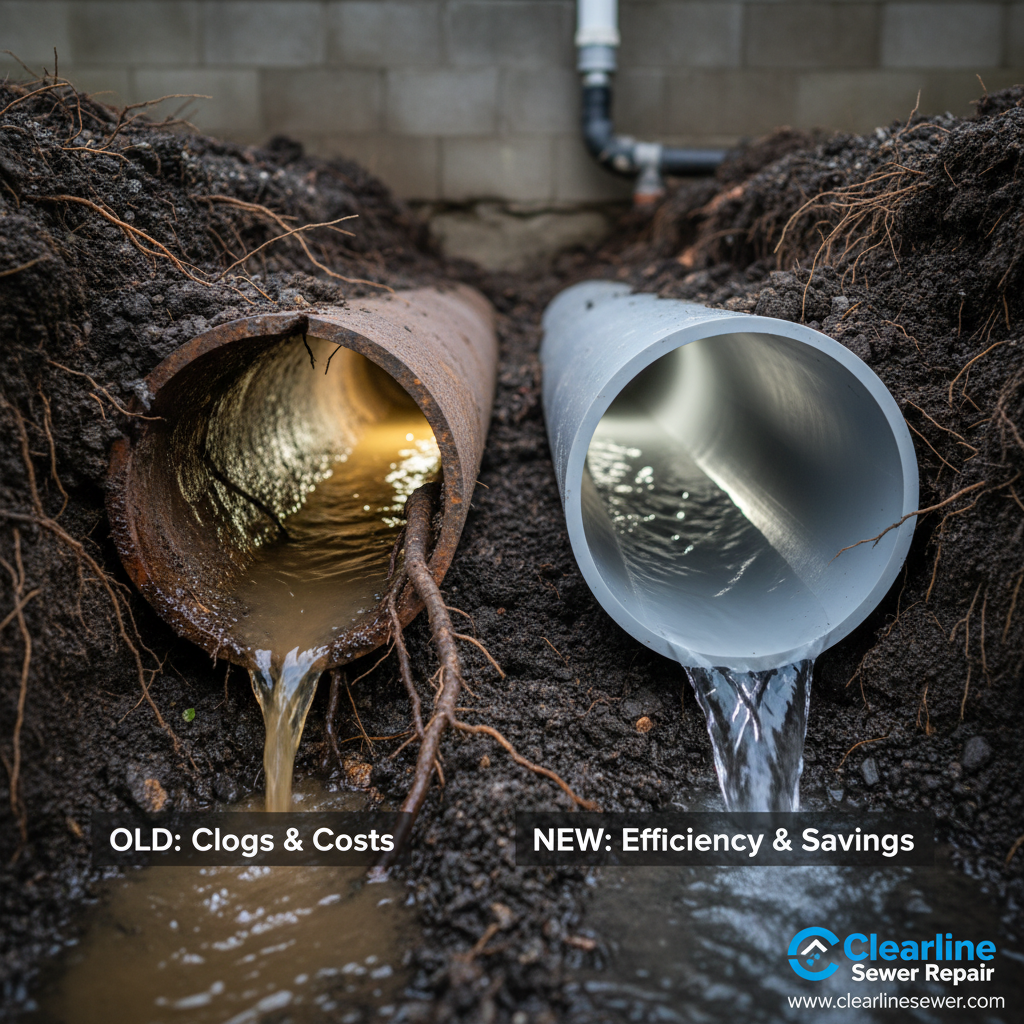
Pipe friction is one of the biggest factors affecting flow speed. Traditional pipes, especially older clay or cast-iron lines, develop rough interiors over time. Debris, corrosion, and root intrusion can significantly slow water movement.

Trenchless lining removes these obstacles:

  • Water flows along the epoxy smoothly, reducing friction
  • Waste moves efficiently, lowering the risk of clogs
  • Flow rate is often better than it was in the original pipe

Hydraulic studies confirm that a properly installed liner can match or improve the pipe’s effective capacity.

Comparing Trenchless to Traditional Replacement

In conventional sewer replacement, a full pipe swap requires excavation, disruption to landscaping, and weeks of work. Trenchless sewer replacement preserves your yard and finishes faster. Despite concerns about diameter, trenchless pipe repair delivers excellent hydraulic performance.

Benefits include:

  • Minimal surface disruption (no digging through yards or driveways)
  • Faster project completion
  • Reduced labor costs and restoration needs
  • Long-lasting solution with a smooth, corrosion-resistant interior

Signs You May Need a Trenchless Approach

Trenchless pipe repair is ideal when:

  • Your existing pipes have cracks, root intrusion, or corrosion
  • Traditional excavation would be disruptive or costly
  • You want to avoid extended downtime or landscaping damage
  • You prefer a durable solution that improves flow efficiency

No dig pipe repair procedures are particularly valuable in urban areas where excavation may affect driveways, sidewalks, or neighboring properties.

Why Professional Installation Matters

Even a small reduction in diameter can impact flow if the liner is improperly installed. Experienced technicians at Clearline Sewer Repair use precise measurements, advanced equipment, and careful installation techniques to ensure optimal performance. By choosing professionals for trenchless pipe lining or trenchless sewer replacement, homeowners avoid surprises and get the maximum benefits of this modern solution.

Frequently Asked Questions

Does trenchless lining really shrink my pipe?

Technically, there is a small reduction, but the smooth epoxy surface maintains or even improves flow.

How long does trenchless pipe repair last?

Properly installed liners can last 50 years or more.

Is trenchless lining more expensive than traditional replacement?

It can be cost-competitive when you factor in reduced labor, excavation, and restoration costs.

Can all pipes be lined using trenchless methods?

Most residential and commercial sewer lines are suitable, but a professional inspection is needed to confirm.

Keep Your Pipes Flowing Efficiently

Clearline Sewer Repair provides expert trenchless sewer repair with experienced and certified plumbers using cutting-edge technology. We offer fast, reliable service and 24/7 support while maintaining highly competitive rates. Whether you need trenchless pipe replacement and repair solutions, count on our team to make sure your system operates efficiently with minimal disruption!

The “Sewer Scope” Clause: Never Sign a Real Estate Contract Without One

damaged sewer line

damaged sewer line

When you’re buying a home, it’s easy to get caught up in the excitement of new paint, updated kitchens, or a big backyard. What most buyers fail to inspect is the hidden network running beneath their feet, which is the sewer line. Problems here can derail a purchase or lead to costly repairs down the line. As the go-to service provider of sewer repair in Everett, WA, Clearline Sewer Repair highly recommends adding a “sewer scope” clause to your real estate contract, as it gives you insight and negotiating power.

What a Sewer Scope Actually Does

A sewer scope is an inspection using a specialized camera to evaluate the condition of the pipes running from the home to the street. It identifies cracks, blockages, root intrusion, and signs of wear that aren’t visible from above ground.

Key points a sewer scope covers:

  • Condition of the main sewer line and connections
  • Signs of corrosion or cracks in the pipe
  • Blockages from tree roots or debris
  • Potential future repairs or need for sewer line replacement

With this information, buyers gain a clear picture of what they may inherit and can negotiate accordingly.

Why the Clause Matters

Including a sewer scope clause in your purchase agreement protects you from unexpected problems. If the inspection reveals damage, you can request repairs, ask for a price adjustment, or even reconsider the purchase. Without it, you may assume the sewer is fine—until trouble surfaces. Real estate agents and home inspectors often recommend this clause because sewer issues are costly and disruptive. A simple camera inspection can save tens of thousands of dollars in sewer pipe line repair or replacement costs.

Common Findings That Affect Negotiation

Some of the issues uncovered in a sewer scope are deal-breakers, while others are negotiable. Typical discoveries include the following:

  • Tree roots infiltrating pipes, causing backups
  • Sagging or misaligned pipes that slow drainage
  • Corroded or broken sections needing full sewer line replacement
  • Signs of prior temporary fixes that may fail over time

Each finding gives buyers leverage for repairs, concessions, or a lower purchase price.

Coordinating With Professionals

When a scope reveals problems, having experienced professionals on hand is crucial. Certified plumbers can provide accurate estimates for sewer repair services. This ensures your negotiations are based on real costs and timelines, not guesswork.

Emergency issues discovered during the inspection can also be addressed promptly, preventing surprises after closing. Knowing exactly what needs attention allows for informed decisions without stress.

Frequently Asked Questions

How much does a sewer scope cost?

Costs vary, but most inspections are a fraction of what repairs or replacement could cost later.

Can a sewer scope prevent future emergencies?

Yes, it identifies hidden problems so you can plan repairs before they become urgent.

What if damage is found after closing?

Without a scope clause, responsibility often falls to the buyer, making early inspection critical.

Who performs the sewer scope?

Licensed and certified plumbers with specialized camera equipment handle the inspection.

Protect Your Investment With Confidence

Clearline Sewer Repair is the leading provider of sewer services in Everett, WA. Backed by highly experienced and certified plumbers, we combine cutting-edge technology with 24/7 support and competitive rates. When the stakes are high, our team is ready to give you the information and service you need!

The “Belly” in the Line: Why Your Sewer Keeps Clogging Even After a Cleaning

bellied sewer line

bellied sewer line

It’s frustrating when your sewer keeps backing up even after a professional cleaning. Many homeowners assume that repeated snaking will solve the problem, but we’ve seen countless cases where the issue runs deeper. A sagging section of pipe, often called a “belly,” traps wastewater and debris, creating a spot where clogs form again and again. Understanding this structural issue is key for anyone considering sewer repair in Everett, WA.

What Causes a Belly in Your Sewer Line

A belly occurs when a section of sewer pipe sags or dips below the proper slope. This can happen over time due to:

  • Soil settling around older pipes
  • Shifting ground after heavy rain or excavation
  • Wear or corrosion weakening pipe support
  • Tree roots displacing pipe sections

Once a belly forms, wastewater pools in the low spot, making it easy for debris to accumulate. Even routine cleanings cannot correct the slope, which is why repeated backups are so common.

Signs Your Sewer Line Has a Belly

We often find that homeowners notice recurring issues such as the following:

  • Frequent clogs in the same fixtures
  • Slow drains despite recent cleaning
  • Gurgling noises from toilets or drains
  • Soft or sunken ground along the sewer path

These warning signs often indicate that a sewer pipe line repair or a full replacement may be necessary to restore proper flow.

Why Cleaning Alone Isn’t Enough

Standard snaking or hydro jetting clears the immediate blockage but does nothing to fix the underlying sag. Without correcting the structural problem, debris continues to collect in the belly, leading to repeated backups. That’s why prompt sewer repair services from experienced professionals are essential since they address both the symptoms and the source of the problem.

Options for Fixing a Belly

Depending on the severity and location of the sag, our team at Clearline Sewer Repair may recommend the following:

  • Sewer pipe line repair to correct small dips or damaged sections
  • Full replacement for extensive sagging or severely deteriorated pipes
  • Sewer line replacement with modern materials to prevent future problems

Correcting the slope and repairing damaged sections ensures that wastewater flows naturally toward the main sewer, reducing recurring clogs and protecting your home.

Frequently Asked Questions

Can a belly form in newer pipes?

Yes, especially if soil settles unevenly or heavy equipment compresses the ground above.

Will cleaning the line eventually fix the problem?

No. Cleaning clears debris temporarily but does not correct the sag causing repeated backups.

Is trenchless repair an option for a belly?

In some cases, yes. Small sections can sometimes be repaired without excavation, depending on pipe condition.

How do I know if replacement is necessary?

If recurring backups continue and inspections show a significant dip or damaged pipe, sewer line replacement may be the safest solution.

Repeated sewer backups are frustrating and are a sign of a structural problem that cleaning alone can’t fix. At Clearline Sewer Repair, we replace sewer line sections in a targeted approach or full replacements, depending on the severity of the issue. Our team uses advanced inspection tools to locate bellies and sagging sections, then provides effective solutions to restore proper flow and prevent future clogs.

Contact us today to protect your home’s plumbing and stop recurring sewer issues for good!

Trenchless Sewer Repairs: A Modern Solution to an Age-Old Problem

damaged sewer line

damaged sewer line

Sewer systems have been a foundational part of homes for decades, and their problems have stayed surprisingly consistent. Cracks, root intrusion, corrosion, and aging pipes create a constant stream of issues for homeowners. The difference now is the technology available to solve them without tearing up yards or disrupting daily life. Trenchless sewer repairs offer a modern, efficient approach that reduces downtime and protects property value.

Clearline Sewer Repair specializes in sewer repair in Monroe, WA, because this method often represents a smarter path forward, combining speed with lasting results and less impact on the surrounding landscape.

How Trenchless Repairs Actually Work

Trenchless sewer repairs focus on accessing the pipe through small entry points rather than digging a long trench. Using advanced inspection tools, technicians locate the exact area of damage and determine the best approach. In many cases, trenchless methods allow for targeted sewer pipe line repair that restores structural integrity without replacing the entire line. This approach is especially valuable when damage is limited to specific sections or when the surrounding area would be difficult to excavate.

When Repair Becomes Replacement

Not every sewer problem is a candidate for repair. If the pipe is severely compromised, collapsed, or compromised by widespread corrosion, the solution may require a sewer line replacement. Trenchless sewer line replacement can still be a strong option in those cases, because it avoids major excavation and often reduces overall disruption. The goal is to restore reliable function while keeping the process as clean and efficient as possible.

The Benefits Homeowners Notice First

The most obvious advantage of trenchless sewer repair is the reduced disruption to property. A traditional dig can damage landscaping, driveways, and hardscapes, requiring additional restoration work afterward. Trenchless methods minimize this impact and speed up completion time. Homeowners also benefit from faster diagnosis, more precise solutions, and fewer surprises during the repair process. This makes trenchless repairs a practical choice for many households facing sewer problems.

Why Local Expertise Matters

Trenchless work requires skilled technicians and accurate assessment. Clearline Sewer Repair brings local experience and reliable equipment to each job, ensuring the right method is selected for the situation. The goal is to provide long-term performance, not temporary fixes, and that starts with accurate diagnosis and strong execution. With trenchless solutions, homeowners can address sewer problems efficiently while protecting their property and their schedules.

FAQs

Is trenchless sewer repair more expensive?

Trenchless repair can be more cost-effective when factoring in reduced landscaping restoration and shorter labor time.

How long does a trenchless repair take?

Many trenchless repairs are completed in a day, though the exact time depends on pipe condition and access.

Can trenchless methods fix root intrusion?

Yes, trenchless lining often seals the pipe and prevents roots from re-entering.

Will my property be damaged during trenchless work?

Trenchless methods minimize damage by limiting excavation to small access points rather than large trenches.

The Best Choice for Modern Sewer Solutions

Trenchless sewer repairs are reshaping how homeowners solve long-standing sewer problems. With less disruption, faster completion, and durable results, this method is changing expectations for sewer repair services. Clearline Sewer Repair brings proven experience, transparent communication, and quality workmanship to every job. When a sewer issue arises, choosing the right solution matters, and trenchless technology is often the smartest option for homeowners who want reliable results with minimal impact. Get in touch with us today to schedule an appointment!

Why Sewer Repair Services Are More Important Than You Think

damaged sewer line

damaged sewer line

Sewer problems rarely announce themselves with urgency. They start quietly with slow drains, faint odors, or patches of damp soil that feel easy to overlook. From our perspective, those early signs often signal deeper trouble forming underground. Ignoring them allows minor wear to grow into structural failure, property damage, and costly disruptions. Homeowners often reach out after the situation has escalated, wishing they had acted sooner.

That is why sewer repairs play a larger role in protecting a home than many people realize. For property owners looking into sewer repair in Seattle, WA, early attention often determines whether a repair stays manageable or becomes overwhelming, something Clearline Sewer Repair has witnessed firsthand.

What Your Sewer Line Handles Every Day

Your sewer line works nonstop, carrying waste, water, grease, and debris away from your home. Over time, pressure from soil shifts, root intrusion, and aging materials weakens the system. When damage goes unnoticed, backups can affect multiple fixtures and even compromise foundations. In some cases, homeowners assume replacement is the only answer when targeted sewer pipe line repair could stabilize the line and extend its usability. Understanding how much strain this system handles explains why proactive care matters far more than most expect.

When Repair Is No Longer Enough

There are moments when damage reaches a point where patching no longer provides a lasting solution. Collapsed pipes, severe corrosion, or long sections affected by roots may require a full sewer line replacement. While that sounds intimidating, delaying action increases the chance of emergency excavation and interior damage. Addressing problems at the right stage allows professionals to plan properly, limit disruption, and protect surrounding structures. Knowing when repair transitions into replacement saves time, money, and unnecessary stress.

Planning Ahead Protects Your Property

Some homes benefit from strategic planning rather than reactive fixes. When inspection data shows recurring failures or outdated materials, homeowners may choose to replace sewer line sections before an emergency occurs. This approach reduces the risk of sudden backups and gives families control over timing and costs. From experience, planned solutions consistently outperform rushed responses triggered by system failure.

Why Taking Care of Your Sewer Line Matters

Why Local Experience Matters

Sewer systems are shaped by local soil conditions, weather patterns, and building codes, which means effective sewer repair services require familiarity with these factors and the challenges they create underground. Clearline Sewer Repair operates with that regional understanding, combining modern equipment with proven methods to address complex sewer concerns. Local knowledge allows solutions that align with long-term performance rather than temporary relief.

What Your Sewer Line Handles Every Day

Your sewer line works nonstop, carrying waste, water, grease, and debris away from your home. Over time, pressure from soil shifts, root intrusion, and aging materials weakens the system. When damage goes unnoticed, backups can affect multiple fixtures and even compromise foundations. In some cases, homeowners assume replacement is the only answer when targeted sewer pipe line repair could stabilize the line and extend its usability. Understanding how much strain this system handles explains why proactive care matters far more than most expect.

When Repair Is No Longer Enough

There are moments when damage reaches a point where patching no longer provides a lasting solution. Collapsed pipes, severe corrosion, or long sections affected by roots may require a full sewer line replacement. While that sounds intimidating, delaying action increases the chance of emergency excavation and interior damage. Addressing problems at the right stage allows professionals to plan properly, limit disruption, and protect surrounding structures. Knowing when repair transitions into replacement saves time, money, and unnecessary stress.

Planning Ahead Protects Your Property

Some homes benefit from strategic planning rather than reactive fixes. When inspection data shows recurring failures or outdated materials, homeowners may choose to replace sewer line sections before an emergency occurs. This approach reduces the risk of sudden backups and gives families control over timing and costs. From experience, planned solutions consistently outperform rushed responses triggered by system failure.

Why Local Experience Matters

Sewer systems are shaped by local soil conditions, weather patterns, and building codes, which means effective sewer repair services require familiarity with these factors and the challenges they create underground. Clearline Sewer Repair operates with that regional understanding, combining modern equipment with proven methods to address complex sewer concerns. Local knowledge allows solutions that align with long-term performance rather than temporary relief.

Common Questions Homeowners Ask

How do I know if my sewer problem is serious?

Frequent clogs, sewage odors, or soggy areas in the yard often point to issues below the surface that need professional evaluation.

Can sewer problems affect my home’s structure?

Yes. Leaking sewer lines can erode soil and contribute to foundation shifting or cracks.

Is trenchless technology always an option?

It depends on pipe condition and layout, but many situations qualify for less invasive methods after inspection.

How long does a typical repair take?

Many repairs are completed within a day, though complex cases may require additional time.

A Smarter Way Forward

Clearline Sewer Repair brings licensed expertise, trenchless solutions, transparent communication, and a commitment to durable results. Every project is handled with respect for the property and a focus on long-term reliability. Taking action early protects your home, so reach out to us today and schedule a service appointment!

Cost vs. Benefit: Is Sewer Line Replacement Worth the Investment?

damaged sewer line

damaged sewer line

When sewer problems reach a point where repairs no longer hold, many homeowners are faced with a serious choice. Sewer line replacement is rarely something people want to deal with, but waiting too long can create larger issues that disrupt daily life. At Clearline Sewer Repair, we’ve helped countless families in need of sewer repair in Seattle, WA, and we’ve seen firsthand how replacement often pays for itself in savings, reliability, and peace of mind.

The Real Costs Homeowners Need to Know

The price of sewer repair services depends on several factors, including the extent of the damage, property layout, and whether trenchless methods can be used. While repairs may seem more affordable initially, they can lead to repeat expenses over time. When we replace sewer lines, our goal is to stop that costly cycle and give homeowners a long-term solution they can count on.

Benefits That Extend Beyond the Pipes

Sewer pipe line repair or replacement isn’t only about fixing clogs or cracks. A new system helps protect the home from water damage, prevents recurring backups, and adds to property value. We know many buyers ask about the condition of underground plumbing, so choosing replacement now can make a future sale easier and more profitable. Just as importantly, our customers gain peace of mind knowing their homes are protected.

Long-Term Value Compared to Patchwork Fixes

We’ve seen many older systems fail again and again due to tree roots, corrosion, or soil shifting. Sewer line replacement eliminates these risks instead of treating them temporarily. With a full replacement, homeowners spend less time worrying about emergency calls and more time enjoying the comfort of a reliable system. We believe that investing in a strong foundation beneath your home provides decades of dependable performance.

The Real Costs Homeowners Need to Know

The price of sewer repair services depends on several factors, including the extent of the damage, property layout, and whether trenchless methods can be used. While repairs may seem more affordable initially, they can lead to repeat expenses over time. When we replace sewer lines, our goal is to stop that costly cycle and give homeowners a long-term solution they can count on.

Is Replacing Your Sewer Line Worth It

Benefits That Extend Beyond the Pipes

Sewer pipe line repair or replacement isn’t only about fixing clogs or cracks. A new system helps protect the home from water damage, prevents recurring backups, and adds to property value. We know many buyers ask about the condition of underground plumbing, so choosing replacement now can make a future sale easier and more profitable. Just as importantly, our customers gain peace of mind knowing their homes are protected.

Long-Term Value Compared to Patchwork Fixes

We’ve seen many older systems fail again and again due to tree roots, corrosion, or soil shifting. Sewer line replacement eliminates these risks instead of treating them temporarily. With a full replacement, homeowners spend less time worrying about emergency calls and more time enjoying the comfort of a reliable system. We believe that investing in a strong foundation beneath your home provides decades of dependable performance.

FAQs

How long does a new sewer line last?

A properly installed sewer line can serve a home for 50 years or more.

Is trenchless replacement pricier?

It may cost slightly more upfront when you replace sewer line systems, but it often saves money by avoiding yard or driveway restoration.

Can I wait to replace a failing line?

Delaying replacement often leads to more severe damage and higher bills.

Does replacement improve water pressure?

It does not change water pressure, but it prevents clogs that slow household drainage.

A Partner for Lasting Solutions

At Clearline Sewer Repair, we provide honest guidance, reliable workmanship, and solutions designed to last. Homeowners who choose sewer line replacement with us gain long-term protection, fewer surprises, and improved home value. If you are weighing the benefits of replacement, our team is ready to provide clear answers and dependable results you can trust for years to come. Reach out to us today to schedule an appointment!

Call Now Button