×

Recurring Main-Line Clogs Mean It’s Time to Hire a Trenchless Sewer Specialist

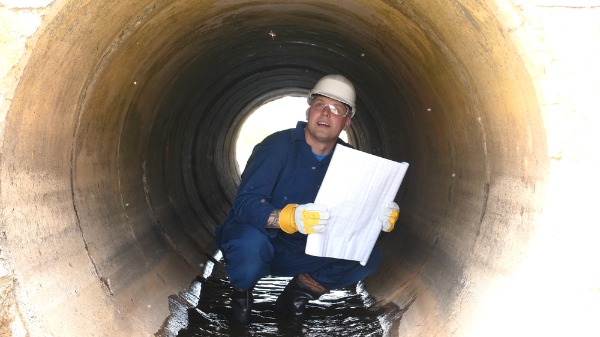
engineer inspecting large sewer pipe

Your drains backed up again. Third time this year. You called a plumber, they snaked the line, charged you a few hundred dollars, and told you it’s fixed. Two months later, the kitchen sink gurgles and the basement drain smells like a swamp.

That’s not bad luck. That’s a pattern, and patterns in plumbing mean something structural is wrong underground.

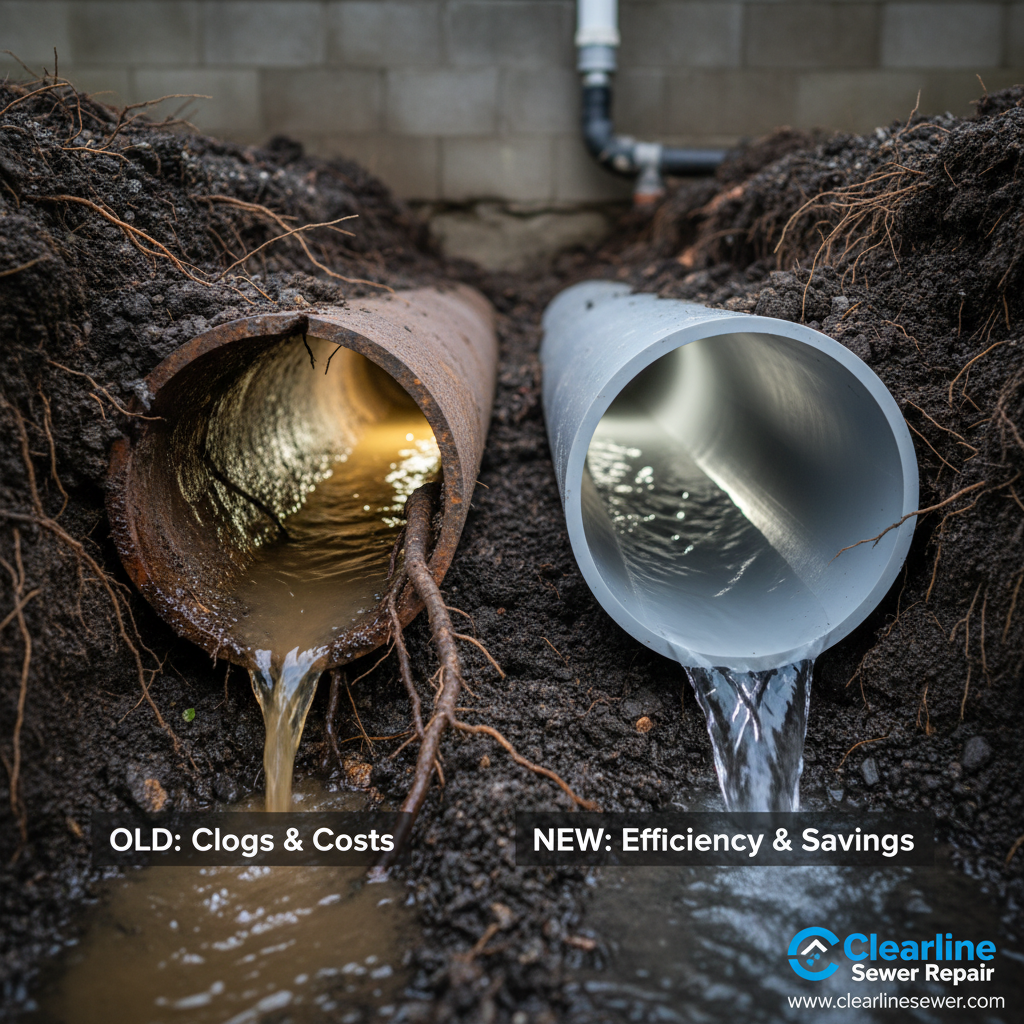
We’re Clearline Sewer Repair, and we handle trenchless sewer repair in Everett, WA for homeowners stuck in exactly this cycle. A clogged line that clears with a snake but returns within weeks usually means the pipe itself has a problem a cable can’t fix: a belly, a crack, root intrusion, or a joint that’s separating. Snaking removes the blockage. It doesn’t repair the pipe.

What Recurring Clogs Actually Mean

A single clog is normal wear. Grease, wipes, hair, or a kid’s toy gets stuck, you clear it, life goes on. Recurring clogs, meaning three or more in a year on the same line, point to a physical defect in the pipe.

Here’s what we typically find when we run a camera down a line that’s clogged repeatedly:

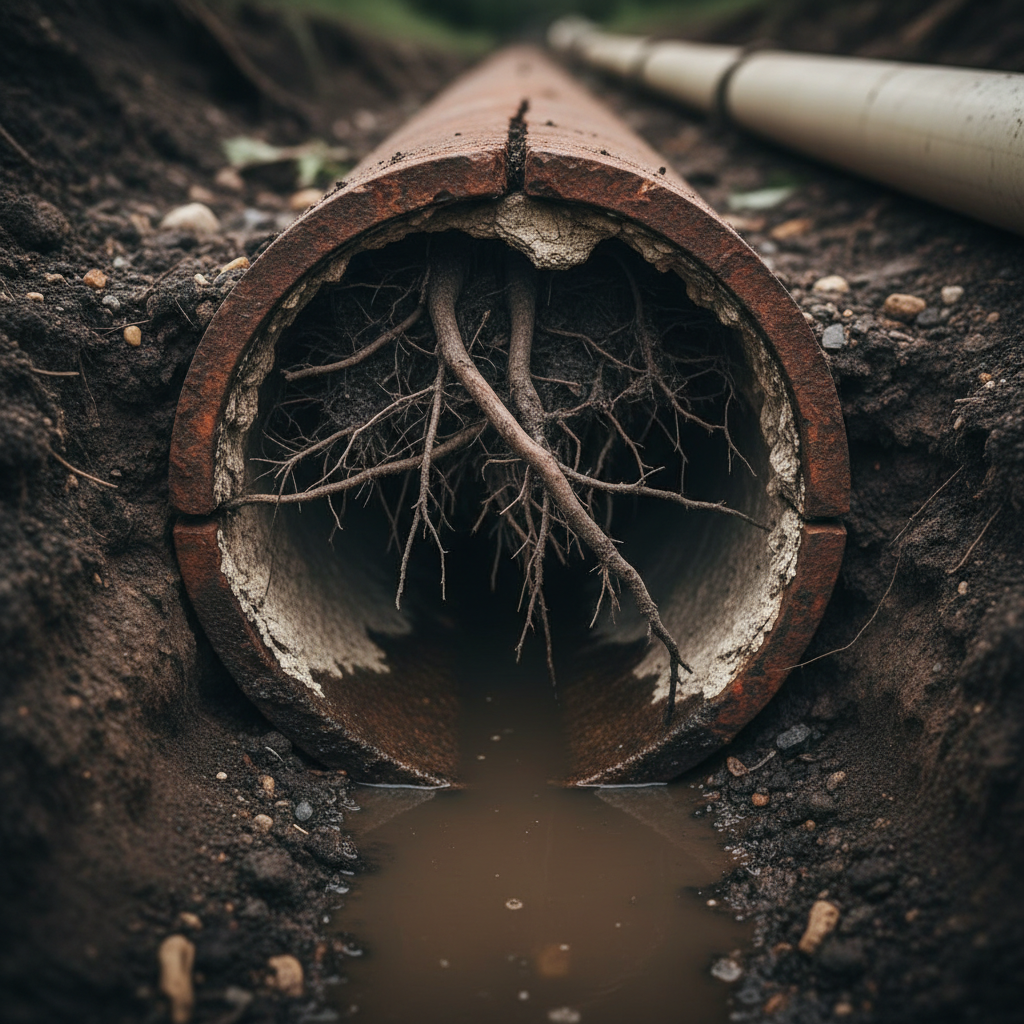
  • Root intrusion — roots find hairline cracks and grow inward, catching debris and slowing flow
  • Bellied pipe — a low spot where the pipe has settled, so waste pools instead of draining
  • Offset joints — sections that have shifted apart, letting soil and roots enter
  • Pipe scaling — corrosion buildup inside old cast iron or clay pipe that narrows the channel
  • Collapsed or crushed sections — usually from age, soil movement, or nearby construction

Everett sits on glacial till and clay-heavy soil left over from the last ice age. That soil holds water and shifts with the seasons, which puts steady pressure on buried pipe. Homes built in the Bayside, Riverside, and Silver Lake neighborhoods often still have their original clay or cast iron sewer laterals from the 1940s through 1960s. Those materials were built to last decades, not forever, and root intrusion from mature cedars and maples is one of the most common calls we get from those older streets.

Why Snaking Stops Working

A cable clears the immediate blockage but leaves the underlying defect untouched. If roots caused the clog, the cable cuts through them, but the crack that let them in is still open. Roots regrow into that same crack within a matter of months, sometimes weeks depending on the season and how close the tree is to the line.

Snaking is a maintenance tool, not a repair. We use it too, but we tell homeowners upfront when a line needs more than a cable. If you’ve paid for snaking three times on the same line in twelve months, you’ve likely spent close to what a permanent repair would have cost, and the pipe is still broken.

What a Sewer Camera Inspection Tells Us

Before we recommend any repair method, we run a sewer camera through the line. This shows us exactly where the damage is, how bad it is, and what caused it. It also tells us whether trenchless pipe repair is realistic for your situation, or whether the damage is too severe and a section needs full replacement.

The camera feed shows real-time footage, and a locator on the camera head lets us pinpoint the exact depth and location of the problem from the surface. That precision is what makes trenchless work possible. Without it, contractors dig blind and tear up lawns, driveways, and irrigation lines chasing a problem they can’t see.

Everett’s rainy season runs roughly October through April, and saturated soil during those months makes ground conditions unpredictable for open trenching. A camera inspection lets us plan a trenchless approach around what’s actually happening underground rather than guessing.

Trenchless Pipe Lining: Repair Without Digging

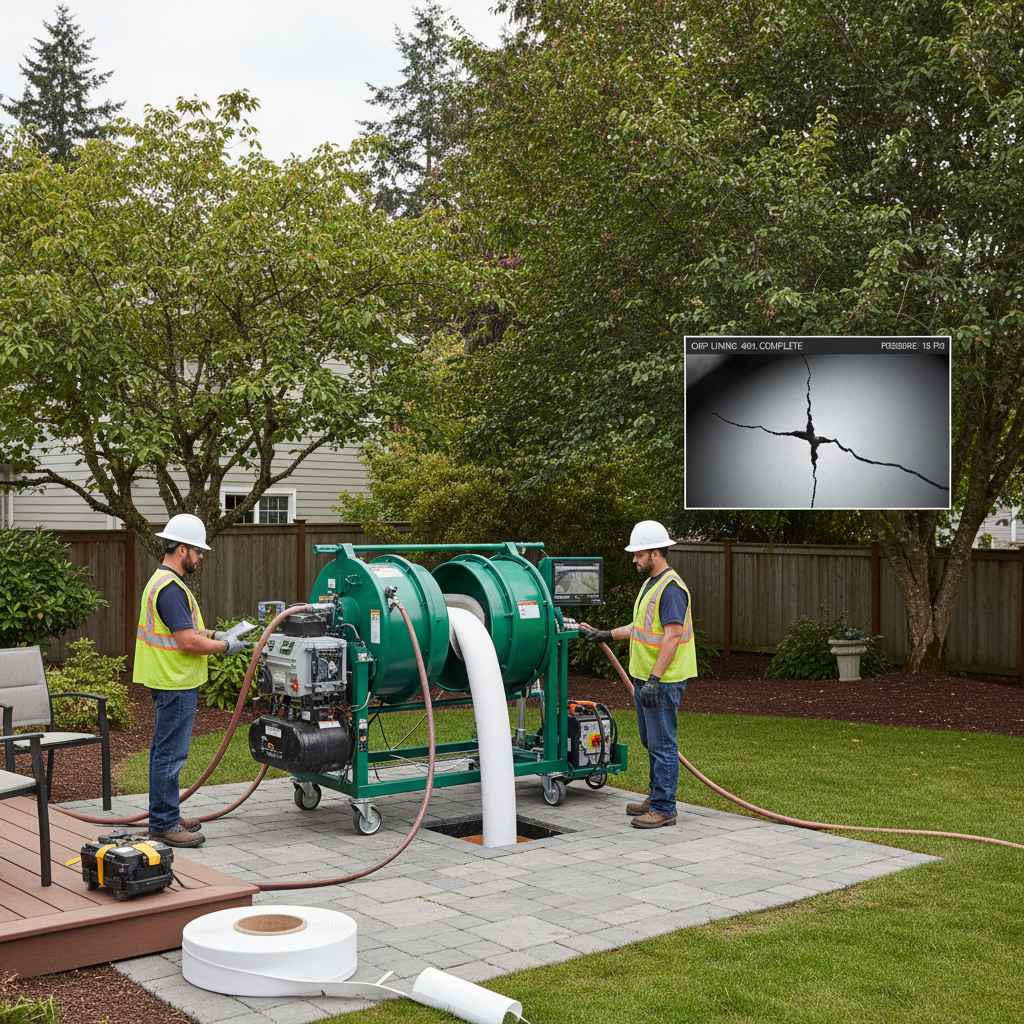
For pipes with cracks, minor root intrusion, or scaling but no full collapse, trenchless pipe lining is often the right fix. We insert a resin-saturated liner into the existing pipe, inflate it against the pipe walls, and cure it in place. The result is a new pipe inside the old one, smooth-walled and jointless, which also means no seams for roots to find again.

This method typically takes a single day for a standard residential lateral. Two access points, sometimes just one, and the yard stays intact. For a lot of Everett homeowners with mature landscaping or hardscape they don’t want to lose, that’s the deciding factor.

Pipe lining works well for lines with moderate damage. It’s not the right call for a pipe that’s collapsed or crushed, which is where full replacement comes in.

Trenchless Sewer Replacement: When the Line Is Too Far Gone

Some lines are past the point where lining will hold. A pipe that’s collapsed, severely bellied, or corroded through in multiple spots needs trenchless sewer replacement instead of a liner.

We use pipe bursting for these situations. A bursting head is pulled through the old pipe, breaking it apart while simultaneously pulling a new HDPE pipe into the same path. The new pipe is fused, seamless, and rated for decades of service. Because the new line follows the same route as the old one, we still only need two access points, an entry pit and an exit pit, instead of trenching the entire yard.

This is trenchless pipe replacement at its most direct: the damaged pipe comes out, a new one goes in, and your driveway, deck, or garden stays where it belongs. For homes near Boeing’s Everett facility or the older streets closer to downtown, where sidewalks, mature trees, and tight lot lines make open trenching a logistical headache, this method saves both time and money compared to full excavation.

No Dig Pipe Repair vs. Traditional Excavation

Traditional sewer repair means trenching the entire line, tearing out landscaping, sometimes cutting through driveways or patios, and repairing all of that after the pipe work is done. That adds cost, adds time, and adds mess that has nothing to do with the actual plumbing problem.

No dig pipe repair changes the math. With lining or bursting, we’re working through small access points instead of the full length of the pipe. For most residential jobs, that means:

  • Faster completion, often one to two days instead of a week or more
  • No full-yard excavation or landscape replacement
  • Less risk to nearby utilities, foundations, and driveways
  • Lower total cost once you factor in restoration work traditional digging requires

Everett’s rain isn’t kind to open trenches either. A trench left open during a wet stretch can flood, delay work, and complicate the repair itself. Trenchless methods sidestep that risk almost entirely since the work happens through small, controlled access points.

How to Tell If Your Home Is a Candidate

Not every sewer problem needs trenchless repair, and not every trenchless method fits every pipe. A few signs point toward scheduling a camera inspection sooner rather than later:

  • Multiple clogs on the same drain within a single year
  • Gurgling sounds from drains when other fixtures run
  • Sewage odor in the yard, especially near where the lateral runs
  • Slow drainage across multiple fixtures at once, not just one sink
  • Soggy or unusually green patches in the lawn along the pipe’s path
  • A home built before 1970 with its original clay, cast iron, or Orangeburg pipe

If two or more of these apply, the pipe likely has structural damage that snaking alone won’t fix.

What Sets Our Approach Apart

We built our process around getting this right the first time, not the fastest sale. That looks like:

  • Highly competitive rates on both diagnostic camera work and full trenchless repairs, with pricing explained before work starts
  • Experienced and certified plumbers who read camera footage accurately and recommend the repair method the pipe actually needs
  • 24/7 customer support for sewer backups, which don’t wait for business hours
  • Cutting-edge technology and equipment, including HD sewer cameras, locators, and pipe bursting and lining systems built for the clay and glacial till soil common across Everett and Snohomish County

We’d rather walk a homeowner through camera footage and explain exactly what we’re seeing than push a repair method that doesn’t match the actual damage.
water flowing through large drainage pipe

Circling Back: Stop Paying to Reclog the Same Line

That third clog this year wasn’t bad luck, and it won’t be the last one if the pipe underneath stays broken. Snaking buys you a few weeks. A camera inspection tells you what’s actually wrong, and trenchless repair fixes it without turning your yard into a construction site.

If you’re tired of calling a plumber every other month for the same drain, call Clearline Sewer Repair. We’ll run a camera down the line, show you what we find, and tell you straight whether lining, bursting, or something simpler is the right call for your home.

Get Your Sewer Line Inspected Today

Stop guessing why your drains keep backing up. Call Clearline Sewer Repair for a free estimate and a camera inspection that tells you exactly what’s happening underground, and what it takes to fix it for good.

FAQs

  • Does trenchless repair work on old clay or Orangeburg pipe?

Yes, in most cases. Lining and bursting both work through the existing pipe path regardless of the original material, as long as there’s enough structural pipe left to work with.

  • How long does a trenchless sewer repair take?

Most residential lining or bursting jobs finish in one to two days, compared to a week or more for traditional trench excavation.

  • Will trenchless repair damage my landscaping?

No. Because the work happens through one or two small access points instead of a full trench, lawns, driveways, and mature trees generally stay untouched.

  • Can I get a trenchless repair if my pipe has already collapsed?

Yes, pipe bursting is designed for exactly this. It breaks apart the old damaged pipe while pulling a new one into place at the same time.

  • How do I know if I need lining or full replacement?

A camera inspection tells us the answer. Moderate cracking or root intrusion usually calls for lining, while collapsed or severely bellied sections need bursting.

Modern Sewer Rehabilitation Solutions for Property Owners

drain camera inspection screen

Underground pipe failures create immediate stress for property owners. Sewer backup warning signs, damp lawns, and slow drains signal structural issues beneath the surface. When underground infrastructure wears down, property owners often worry about lawn destruction, torn-up driveways, and extended household disruptions. Modern plumbing technology provides structural restoration methods that minimize disruption to landscaping.

We at Clearline Sewer Repair rely on advanced techniques to restore underground pipe integrity while keeping lawns, driveways, and gardens in original condition. Understanding how cured-in-place pipe technology functions helps property owners make informed decisions when addressing underground infrastructure needs. For homeowners seeking reliable trenchless sewer lining in Everett, WA, this technology offers an efficient path toward permanent pipe restoration.

Structural Mechanics of Cured-In-Place Pipe Restoration

Cured-in-place restoration relies on specialized materials designed to form an independent structure inside host pipes. The process begins with an epoxy-saturated felt tube manufactured from polyester fibers. Technicians insert this flexible liner into the target pipe using compressed air or water pressure through a single entry point. Once positioned, hot water, steam, or ultraviolet light activates the resin, causing it to harden into a rigid shell.

This process aligns with ASTM F1216, the standard specification for rehabilitation of existing pipelines by the inversion lining of resin-impregnated tubes. According to testing metrics established by the American Society of Civil Engineers, cured-in-place materials demonstrate a structural design life exceeding fifty years. The resulting structural material resists chemical corrosion, prevents tree root intrusion, and seals existing wall cracks. The inner lining adheres tightly to host pipe walls while reducing internal pipe diameter by less than five percent.

Diagnostic Assessment Through High-Resolution Pipeline Cameras

Accurate rehabilitation requires clear visibility inside the pipe network. Professional technicians deploy high-resolution color cameras equipped with radio transmitters down cleanout access points. These waterproof cameras travel through the entire line, transmitting live video feeds to monitoring monitors on the surface.

Camera inspections identify structural cracks, offset joints, root masses, and sagging pipe sections. Distance counters record exact locations of defects along the line. This diagnostic data determines structural suitability for trenchless pipe lining applications. Clear visual data allows technicians to measure exact length requirements, locate lateral branch connections, and evaluate host pipe cleanings before placing material.

Comprehensive Pipe Cleaning and Surface Preparation Methods

Proper surface preparation dictates the bonding strength of cured epoxy resins. Foreign debris, scale buildup, grease, and intruding tree roots must be removed completely before liner installation. Technicians utilize pneumatic chains and high-pressure water jetting systems operating at pressures between two thousand and four thousand pounds per square inch.

Hydro-jetting equipment strips mineral deposits from internal pipe walls and flushes loose debris into municipal main lines. Rotating mechanical cutters scrape away stubborn root masses and tuberculation. A secondary camera inspection verifies that host pipe interiors are completely clean and free of standing water. This thorough surface preparation enables optimal resin adhesion along the entire length of the host pipe.

The Physical Liner Inversion and Curing Sequence

Inserting resin-impregnated materials requires precise pressure control throughout installation. The inversion process uses compressed air tanks to push the saturated tube through the target pipe, inverting it against the pipe walls as it is installed. As the liner travels through the host pipe, the resin-soaked outer layer rolls against the interior pipe wall.

After full expansion, heat application initiates the chemical polymerization reaction. Technicians circulate hot water or steam through the liner, maintaining temperatures between one hundred eighty and two hundred degrees Fahrenheit for several hours. As temperature rises, liquid epoxy molecules form dense cross-linked polymer chains. The resin hardens into a seamless pipe-within-a-pipe that handles full structural loads independently.

For specific property configurations, technicians utilize specialized pull-in-place methods to execute trenchless sewer repair.

  • In situations involving severe structural collapse or complete pipe destruction, crews utilize hydraulic expansion heads to conduct trenchless sewer replacement.
  • When localized section failures occur without affecting entire pipe runs, technicians apply point-repair sleeves to execute trenchless pipe replacement.
  • Certain localized residential lines benefit from specialized point repair techniques to carry out no-dig pipe repair.

Flow Capacity and Hydraulic Efficiency Improvements

Reducing internal pipe diameter slightly might seem like a restriction to liquid movement, but hydraulic efficiency actually increases following cured-in-place rehabilitation. Smooth epoxy surfaces significantly lower internal friction factors compared to aged clay, cast iron, or concrete surfaces.

Hydraulic calculations utilize Manning’s roughness coefficient to measure fluid friction inside conduits. Aged cast iron and clay pipes carry Manning roughness values between 0.013 and 0.017. Cured epoxy liners maintain a Manning roughness coefficient of approximately 0.009. The National Association of Sewer Service Companies notes that this reduced surface friction increases liquid velocity and volume capacity, fully compensating for the minimal decrease in cross-sectional diameter.

Environmental Considerations and Infrastructure Preservation

Underground utility work impacts surrounding soil ecosystems and surface structures. Conventional excavation disturbs established root systems, disrupts local drainage patterns, and requires transportation of displaced soil to landfills. In contrast, rehabilitation methods operating through existing access points minimize soil disturbance.

Data from the Environmental Protection Agency highlights that non-invasive pipe rehabilitation reduces heavy equipment idle time, reducing site carbon emissions during utility projects. Preserving surface soil structure prevents soil compaction, protects local groundwater pathways, and eliminates asphalt replacement needs. Property owners maintain original landscape layouts, hardscapes, and mature trees without surface restoration costs.

technician reviewing sewer footage

Quality Verification and Final System Integration

Following resin curing, technicians depressurize the system and remove inflation bladders. Precision cutting tools mounted on robotic crawlers travel through the newly lined pipe to reopen lateral branch connections servicing individual plumbing fixtures. These remote-controlled blades trim away liner material covering branch openings with exact precision.

A final high-definition camera inspection verifies structural integrity along the entire rehabilitated run. Technicians inspect wall thickness, surface smoothness, and lateral connection seals. Video documentation records the completed installation, verifying that the new structural lining meets all municipal codes and engineering standards. The rehabilitated pipe returns to active service immediately upon inspection completion.

Frequently Asked Questions

Q: How long does the trenchless lining process take from start to finish?

A: Most residential pipe lining projects require one single day to complete surface preparation, liner inversion, and resin curing. Property owners regain full plumbing functionality shortly after final camera verification.

Q: Can tree roots penetrate a newly lined sewer pipe?

A: No, cured epoxy liners form a continuous, jointless structure that completely blocks root entry points. Without open pipe joints or surface cracks, tree roots cannot enter or damage the line.

Q: What pipe materials can be rehabilitated with trenchless lining?

A: Trenchless lining restores clay, cast iron, PVC, ABS, and corrugated metal pipes. The flexible resin tube expands to fit the exact contours of various host materials.

Q: Does pipe lining require any digging on the property?

A: Most installations utilize existing cleanout access points already present on the property. When cleanouts are unavailable, technicians create one small access opening rather than digging broad trenches across the yard.

Clearline Sewer Repair delivers dependable pipe restoration solutions backed by highly competitive rates and experienced and certified plumbers. Our team remains available around the clock with 24/7 customer support to resolve urgent plumbing challenges quickly. Utilizing cutting-edge technology and equipment, we restore underground pipe infrastructure cleanly and efficiently.

Contact us today to learn more about our comprehensive sewer rehabilitation services.

Why Trenchless Pipe Repair Is Revolutionizing Home Plumbing

outdoor sewer camera inspection

A backed-up drain or a damp patch on the lawn can send panic through any household. Property owners often imagine heavy machinery rolling across the grass, tearing up gardens, and leaving behind a long trail of destruction. We know that traditional excavation feels like a total nightmare for homeowners who love their outdoor spaces. Underground plumbing problems used to mean days of digging, ruined driveways, and massive restoration projects after the plumbing work was finished. Fortunately, modern technology offers a far cleaner way to handle broken lines beneath the ground.

At Clearline Sewer Repair, we help property owners fix underground lines using modern methods that minimize disruption to lawns and landscaping. Homeowners facing sudden sewer issues can depend on modern trenchless pipe repair in Puget Sound, WA to resolve underground damage without turning the yard into a messy construction site.

Understanding the Basics of Underground Repair

Traditional sewer line restoration required crews to dig long trenches through yards, walkways, and landscaping. This older approach exposed the entire length of the pipe so technicians could cut out the damaged sections and lay down new materials. Today, modern technology relies on small entry points to access the damaged infrastructure underground.

Technicians insert specialized equipment through these natural access points to resolve structural problems from the inside out. According to the United States Environmental Protection Agency, thousands of municipal and residential sewer lines across the country suffer from structural decay, root invasion, or age each year. By accessing the pipe internally, property owners avoid heavy excavation altogether.

How Advanced Lining Fixes Broken Lines Internally

One of the most popular modern methods involves creating a brand new pipe directly inside the old one. Technicians clean out the existing line using high-pressure water streams to clear away roots, debris, and built-up grease. Once the pipe is completely clean, a flexible tube soaked in epoxy resin gets pulled or blown through the damaged line.

After the liner is properly positioned, an inflatable bladder expands inside the tube, pressing the resin against the inner walls of the original host pipe. The resin is then cured according to the manufacturer’s specifications, creating a seamless, jointless inner wall. This process, widely recognized as trenchless pipe lining, creates a durable structural line that resists future tree root intrusion for decades.

The Mechanical Process of Pipe Bursting

When an existing line has collapsed or suffered severe structural breaks, simple relining might not offer enough space for structural integrity. In these specific cases, another clever method replaces the line entirely without digging up the lawn. Technicians place a heavy steel cable through the damaged underground channel.

A specialized cone-shaped tool, called a bursting head, gets pulled through the old line using powerful hydraulic winches. As the bursting head moves forward, it shatters the old pipe and displaces the existing pipe into the surrounding soil. Simultaneously, the head drags a fresh, high-density polyethylene line directly behind it. This technique, known as trenchless pipe replacement, installs a completely new line along the exact same path as the old one.

The Science of Minimal Excavation

The main advantage of modern subterranean restoration lies in how little ground needs to be disturbed. Instead of tearing up dozens of feet of turf, driveways, or gardens, crews may require only limited access pits. This means high-value landscaping, expensive stone patios, and mature trees remain completely untouched during the process.

The Water Environment Federation reports that underground infrastructure challenges are growing as residential homes age past forty or fifty years. Avoiding open trenches saves property owners significant stress while keeping neighborhood sidewalks and driveways safe from heavy construction hazards.

Restoring Sewer Lines Without Ruining Lawns

When traditional digging occurs, homeowners face an entire second project once the plumbing crew leaves. Rebuilding custom brick pathways, relaying sod, and replacing damaged shrubbery can add significant costs to the overall project.

Using non-invasive techniques can significantly reduce disruption to the surface landscape. Crews set up their equipment in a compact space, perform the restoration, and clean up the work area within a fraction of the time required by traditional crews. This allows families to return to their normal daily routines almost immediately after the project wraps up.

Exceptional Strength and Long-Term Durability

Modern materials used in non-invasive pipe restoration are built to handle intense pressure and harsh environmental conditions. Epoxy resins and high-density polyethylene materials resist chemical corrosion, ground movement, and invasive tree roots better than traditional clay or cast iron.

Modern cured-in-place pipe materials are built to handle intense pressure and harsh environmental conditions when they are professionally installed and properly maintained. Investing in structural lining solutions gives property owners a reliable, seamless line designed for long-term performance.

Faster Turnaround Times for Urgent Fixes

A standard open-trench plumbing project can easily drag on for four to seven days, leaving families without functional facilities for prolonged periods. The extensive digging, pipe setting, inspection, and backfilling processes require significant manual labor and time.

Modern non-invasive procedures are typically completed in just one or two days. Because crews spend less time digging and filling dirt, the actual restoration phase moves very quickly. Property owners regain full use of their facilities fast, avoiding long hotel stays or prolonged household disruptions.

Preventing Future Tree Root Invasions

Tree roots naturally seek out moisture, making underground sewer lines a primary target for nearby plants. Older pipe systems made of clay or cast iron feature multiple seams every few feet. Over time, ground settling opens tiny gaps at these joints, allowing microscopic root hairs to crawl inside.

Once inside, roots feed on the water supply, expanding until they completely clog or split the pipe. A properly installed seamless pipe can significantly reduce opportunities for future tree root intrusion and recurring blockages.

Environmental Benefits of Modern Plumbing Methods

Preserving the environment is another major advantage of modern subterranean pipe restoration. Traditional open-trench digging relies on heavy, diesel-burning machinery that disturbs local soil ecosystems, destroys plant life, and generates tons of solid waste that ends up in local landfills.

Using less heavy excavation equipment can also reduce disruption associated with the project. Furthermore, keeping the original pipe material in place underground reduces construction debris, making no-dig pipe repair a much cleaner option for environmentally conscious property owners.

What to Expect During the Restoration Process

The entire restoration journey begins with a detailed visual inspection using specialized waterproof cameras. Technicians feed a high-resolution camera down the line to identify the exact locations of cracks, root masses, or structural collapses.

Next, high-pressure water jets clear out all obstructions to prepare the internal pipe surface. Crews then choose the proper non-invasive method based on the camera findings, pull the materials through, and cure or set the new line. A final camera inspection confirms that the new pipe wall is completely smooth, properly sealed, and fully operational before the project is marked complete.

indoor drain camera inspection

Frequently Asked Questions

Q: How long does a non-invasive pipe restoration project take to finish?

A: Many non-invasive projects can be completed within one to two days, depending on the condition and length of the pipe.

Q: Will tree roots ever grow through a lined sewer pipe?

A: A properly installed liner creates a seamless barrier that significantly reduces opportunities for tree root intrusion.

Q: Is modern non-invasive pipe work as strong as a new pipe?

A: The materials used match or exceed the structural strength and life expectancy of standard pipe installations.

Q: Do technicians need to dig up the entire lawn for this service?

A: Crews only need one or two small access points to complete the entire restoration process.

Partner with Our Team Today

Dealing with sewer line problems does not have to mean destroying your beautiful landscape or enduring days of household chaos. Clearline Sewer Repair provides dependable solutions designed to fix underground issues quickly and cleanly. Our team uses cutting-edge technology and equipment to diagnose and restore damaged lines with precision. With highly competitive rates and 24/7 customer support, our experienced and certified plumbers are always ready to help when you need us most. Reach out to our team today to discuss your underground piping needs and get your household running smoothly again.

How Trenchless Sewer Replacement Saves Your Lawn and Money

technician performing sewer inspection

Sewer pipe problems create immediate stress for homeowners. A broken or clogged underground pipe threatens your household plumbing, landscape, and wallet. Understanding modern restoration methods helps you address utility damage while minimizing disruption to your grass, driveway, and landscaping. We at Clearline Sewer Repair work directly with homeowners to fix underground utilities using methods that keep yard disruption to an absolute minimum.

According to data from the Environmental Protection Agency, properly maintained sewer infrastructure prevents severe groundwater contamination and reduces overall property restoration expenses across residential communities. Homeowners needing reliable solutions often choose trenchless sewer replacement in Seattle, WA to keep their property pristine during complex plumbing projects.

Understanding Modern Underground Pipe Restoration

Underground utility lines suffer from natural wear over time. Tree roots infiltrate small cracks, soil shifts put pressure on line joints, and aging materials gradually degrade. Modern sewer restoration addresses these subterranean structural failures without turning your entire front lawn into an open trench. Small entry points allow specialized machinery to access the pipe network beneath your grass.

Through these minimal access points, technicians send flexible cables, cameras, and structural liners directly into the broken utility line. The internal framework of your existing pipe receives a durable structural renewal that handles high wastewater volume for decades. Applying trenchless pipe repair methods keeps your soil structure intact, preserving established root systems and surface features.

Financial Savings Beyond the Initial Pipe Fix

Excavation projects incur secondary costs that surprise many property owners. Heavy machinery tearing through a yard causes damage that requires expensive surface restoration afterward. Rebuilding hardscapes, replacing sod, and repaving asphalt driveways add thousands of dollars to an overall plumbing bill.

Technicians avoid heavy excavation equipment by using narrow access pits. Restricting excavation to smaller access points can reduce the need for extensive land grading, new grass seed, or concrete restoration. The American Society of Civil Engineers notes that indirect restoration expenses often account for nearly half of traditional open-cut utility project budgets. Choosing no-dig pipe repair keeps those secondary landscape expenditures off your final invoice.

How Advanced Lining Materials Preserve Landscaping

Sewer pipe degradation frequently occurs in homes surrounded by mature trees, ornamental gardens, or expensive concrete patios. Traditional equipment destroys these custom exterior features, resetting years of land care and growth. Modern pipe lining techniques create a seamless, solid pipe right inside the old, damaged host line.

  • Epoxy resin materials expand against existing pipe walls to seal all cracks.
  • Continuous seamless designs eliminate joint gaps where tree roots usually enter.
  • Hardened structural liners resist chemical corrosion from everyday household wastewater.
  • Flexible installation materials navigate natural bends in older residential lines.

Using trenchless pipe lining allows specialized crews to rehabilitate underground pipes directly beneath flower beds, retaining walls, and mature shade trees without disturbing the surface soil.

Streamlined Timelines for Residential Projects

Time plays a central role in household plumbing emergencies. Conventional pipe excavation takes several days or even weeks, leaving families with restricted water usage and active construction zones outside their front doors. The equipment noise, safety hazards, and pile-ups of dirt create ongoing daily disruptions.

Many trenchless installations can be completed more quickly than conventional excavation, although project timelines vary based on the pipe’s condition, length, access, and repair method. Crews perform visual camera inspections, clean out residual debris inside the line, and slide new structural materials into position quickly. Utilizing trenchless pipe replacement can minimize household downtime and allow families to resume normal water usage sooner than with some conventional excavation projects.

sewer camera inspection monitor

Structural Durability and Longevity Benefits

Subterranean pipe systems experience constant external stress from ground shifts, vehicle weight overhead, and seasonal freeze-thaw cycles. High-density polyethylene pipes and epoxy resin liners offer exceptional tensile strength that stands up against these ground pressures.

  • High-density materials resist root penetration and ground shift movement.
  • Smooth interior walls reduce friction, helping wastewater move efficiently without buildup.
  • Jointless construction prevents leaks, protecting surrounding soil from contamination.
  • Corrosion-resistant compounds stand up against acidic sewage environments.

Frequently Asked Questions

Q: How do technicians access the underground sewer pipe without digging a trench?

A: Depending on the repair method and site conditions, technicians may use existing access points or create small access pits. Specialized tools and liners can then be used to repair or replace the pipe with far less excavation than traditional methods.

Q: Will trenchless pipe installation work if tree roots have grown into my sewer line?

A: Yes, technicians first clear out the root growth using high-pressure water jets or mechanical cutters. Once the path is clear, the new structural liner fits securely inside the pipe.

Q: How long does a trenchless sewer installation process take?
A: Project timelines vary depending on the pipe’s condition, length, access, repair method, and site conditions. Many trenchless projects can be completed faster than comparable conventional excavation work.

Q: Are trenchless sewer liners strong enough to handle normal household wastewater?

A: The materials used in trenchless liners form a hard, solid pipe that resists corrosion, root invasion, and ground pressure for decades.

Clearline Sewer Repair provides high quality piping solutions designed to protect your wallet and your property. Our team delivers highly competitive rates alongside 24/7 customer support for all your residential plumbing needs. We bring experienced and certified plumbers to every job site, utilizing cutting-edge technology and equipment to handle your pipe restoration with ease.

Reach out to our team today to get your underground plumbing running efficiently again.

How a New Sewer Line Can Actually Lower Your Monthly Utility Bills

Most homeowners think of sewer repairs as a way to fix backups, odors, or drainage problems. What many people do not realize is that an aging sewer line can also contribute to ongoing expenses that affect the household budget. While replacing a sewer line is often driven by necessity, the improvements that come with a modern pipe can sometimes help reduce certain long-term costs.

Older sewer lines often develop rough interior surfaces, cracks, root intrusion, and structural defects that affect how wastewater moves through the system. When those issues become severe, homeowners may find themselves dealing with recurring service calls, water loss concerns, or property-related expenses. Professional sewer repair in Everett, WA, can help identify whether an aging sewer line is contributing to these problems. At Clearline Sewer Repair, we help homeowners evaluate repair and replacement options using advanced diagnostic technology and detailed inspections.

Aging Pipes Create More Than Drainage Problems

As sewer pipes age, corrosion, mineral buildup, root intrusion, and structural deterioration can gradually reduce the interior diameter of the pipe.

Common issues include:

  • Scale buildup along pipe walls
  • Root intrusion through joints
  • Cracks and separations
  • Corrosion in older materials
  • Recurring blockages

According to the U.S. Environmental Protection Agency, aging wastewater infrastructure can experience deterioration that affects performance and reliability over time.

When these conditions develop, homeowners often find themselves scheduling repeated sewer repair services to address recurring issues.

aging pipe line

Modern Pipes Improve Wastewater Movement

Today’s sewer materials are designed with durability and efficiency in mind. Many modern replacement pipes feature smooth interior surfaces that allow wastewater to move more efficiently through the system.

Benefits of newer pipe materials may include:

  • Reduced buildup potential
  • Improved flow capacity
  • Fewer snag points for debris
  • Better resistance to root intrusion
  • Enhanced structural integrity

When evaluating whether to replace sewer line components, the overall condition of the existing pipe plays a significant role in determining the most effective solution.

Fewer Recurring Problems Can Mean Lower Expenses

One of the hidden costs associated with deteriorating sewer lines is the need for repeated maintenance and emergency service visits.

Homeowners dealing with chronic blockages may face expenses related to:

  • Frequent drain cleaning
  • Sewer inspections
  • Emergency plumbing calls
  • Water damage mitigation
  • Landscape restoration after failures

While every property is different, addressing underlying pipe deterioration through sewer pipe line repair or replacement may help reduce the likelihood of recurring service-related costs.

Property Protection Can Influence Insurance Concerns

Water damage resulting from sewer failures can be expensive to address. According to the Insurance Information Institute, water damage and freezing claims are among the most common homeowner insurance losses.

Although insurance policies and premiums vary significantly, maintaining critical plumbing infrastructure can help reduce the risk of certain types of property damage. Homeowners should always consult their insurance provider regarding coverage details and policy requirements.

This is one reason some property owners consider sewer line replacement when extensive deterioration is identified.

Looking Beyond the Immediate Repair

A sewer line replacement project is not solely about correcting an existing problem. It is also an opportunity to improve the reliability of an important part of the property’s infrastructure.

A professional inspection can help determine:

  • The condition of the existing pipe
  • Whether repairs remain viable
  • The extent of root intrusion
  • Structural stability
  • Long-term performance expectations

Having accurate information allows homeowners to make informed decisions based on the actual condition of the sewer system.

FAQs

Can a new sewer line lower my water bill?

A sewer line does not directly control water consumption, but correcting leaks and recurring plumbing issues may help prevent unnecessary water-related expenses.

Do newer sewer pipes perform differently than older ones?

Yes. Modern materials often feature smoother interior surfaces and improved resistance to corrosion, root intrusion, and deterioration.

Will replacing my sewer line eliminate future maintenance?

All sewer systems benefit from periodic inspections and maintenance, but a new line may reduce the likelihood of recurring issues associated with aging pipes.

Can sewer problems affect property damage risks?

Yes. Sewer backups and leaks can contribute to water damage that may require repairs to flooring, walls, landscaping, or other areas of the property.

A reliable sewer system can help homeowners avoid recurring disruptions and unexpected expenses. Clearline Sewer Repair combines experienced and certified plumbers with cutting-edge technology and equipment to accurately assess aging sewer lines and recommend solutions tailored to your property’s needs. Send us a message to schedule a service today!

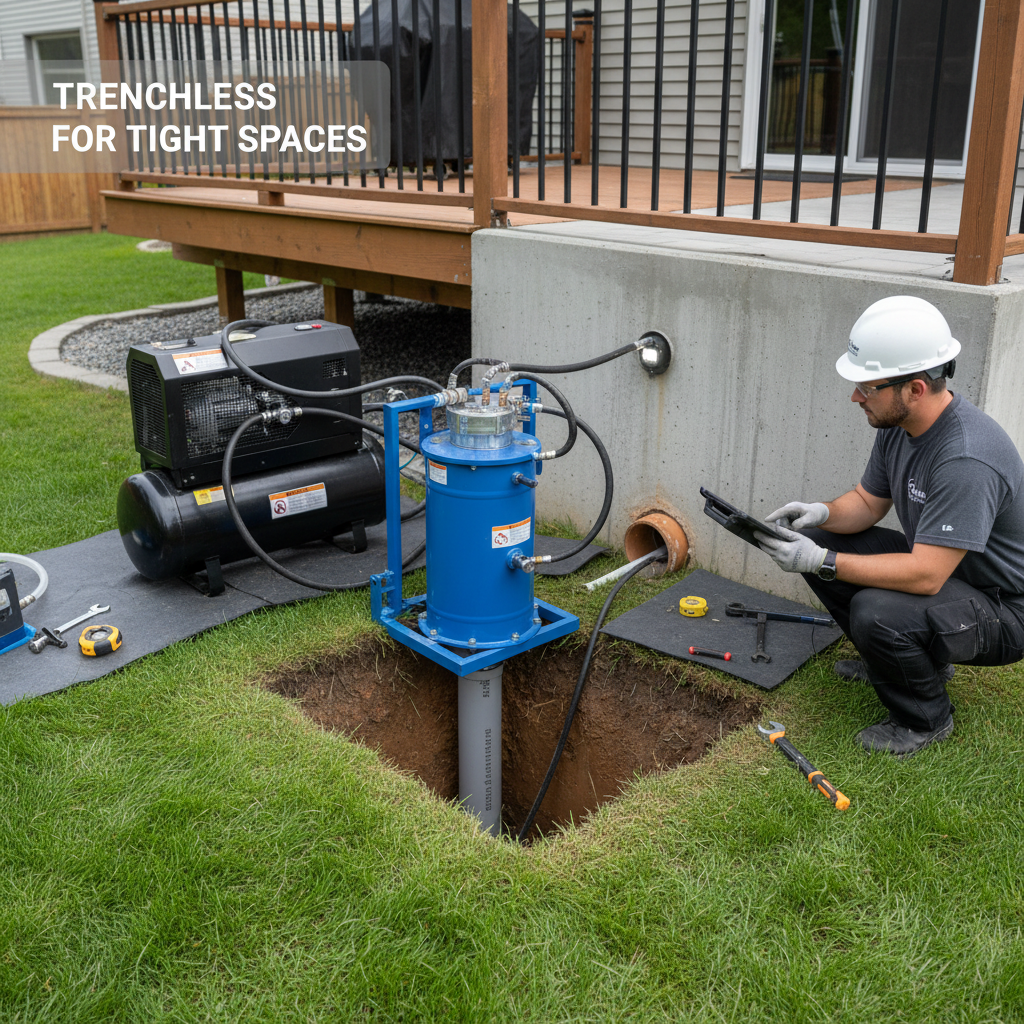
Trenchless for Tight Spaces: Fixing Sewers Under Decks, Patios, and Basements

trenchless equipment

Few homeowners want to hear that a sewer line problem may require digging. That concern becomes even bigger when the damaged pipe runs beneath a deck, patio, finished basement, driveway, or other structure that would be difficult and expensive to remove. Fortunately, excavation is not always the only option.

Many sewer line problems can be addressed using trenchless methods that minimize disruption to the property. We frequently help homeowners explore solutions when traditional digging would affect valuable structures or outdoor living spaces. If your sewer line runs beneath a hard-to-access area, trenchless sewer repair in Seattle, WA, may offer a practical way to restore the pipe while preserving much of the surrounding property. Clearline Sewer Repair uses advanced diagnostic equipment to evaluate sewer lines and determine which trenchless approach is appropriate for the situation.

Why Tight-Space Sewer Repairs Create Challenges

Traditional sewer repairs often require direct access to the damaged pipe. When the line runs beneath a structure, reaching it can become far more complicated.

Common obstacles include:

  • Decks and outdoor living areas
  • Concrete patios
  • Driveways and walkways
  • Finished basements
  • Retaining walls
  • Landscaping features
  • Detached structures

Removing and rebuilding these features can significantly increase the scope of a repair project.

How Trenchless Methods Reduce Surface Disruption

Trenchless technology allows technicians to access and rehabilitate sewer lines using small entry points rather than continuous excavation.

According to the U.S. Environmental Protection Agency, trenchless technologies are widely used to rehabilitate aging underground infrastructure while reducing surface disturbance and construction impacts.

Depending on the condition of the pipe, trenchless pipe repair methods may restore service without requiring large sections of the property to be excavated.

Pipe Lining Works Well in Many Restricted Areas

One of the most common trenchless solutions is pipe lining. This process creates a new pipe within the existing pipe using a resin-saturated liner that cures in place.

Pipe lining is often considered when:

  • The pipe remains structurally stable
  • Root intrusion has been removed
  • Cracks or joint separations are present
  • Access is limited by structures above the line

In many cases, trenchless pipe lining can rehabilitate the pipe while avoiding extensive disruption to decks, patios, and other surface features.

pipe lining process underway

When Replacement Is the Better Option

Not every sewer line can be rehabilitated. Pipes with severe collapses, extensive deformation, or widespread structural failure may require replacement.

Warning signs that replacement may be considered include:

  • Significant pipe collapse
  • Large sections of missing pipe wall
  • Severe corrosion
  • Extensive structural deterioration
  • Repeated sewer backups despite previous repairs

In these situations, trenchless pipe replacement methods may allow a new pipe to be installed with far less disruption than traditional excavation.

No-Dig Solutions Can Address Complex Layouts

Many Seattle-area properties present unique access challenges due to lot size, mature landscaping, slopes, and existing structures.

Modern no dig pipe repair techniques help technicians work around these obstacles while maintaining access to the underground sewer line. Advanced camera inspections also allow crews to identify the exact location and condition of the pipe before any repair strategy is selected.

This targeted approach often helps reduce unnecessary disruption during the repair process.

Understanding Your Options Before Work Begins

Every sewer line is different. The best repair method depends on factors such as pipe material, structural condition, depth, accessibility, and the nature of the damage.

A thorough inspection helps determine whether rehabilitation or trenchless sewer replacement is the most appropriate solution. Understanding the condition of the line before work begins allows homeowners to make informed decisions about their property.

FAQs

Can trenchless repairs be performed under a deck?

In many cases, yes. Trenchless methods are commonly used when sewer lines run beneath decks, patios, driveways, and other structures.

Will my patio need to be removed?

Not necessarily. One advantage of trenchless methods is that they often reduce the need to remove surface structures.

How do professionals know which trenchless method to use?

A sewer camera inspection helps determine the pipe’s condition and whether rehabilitation or replacement is more appropriate.

Can severely damaged pipes still be repaired without extensive digging?

Depending on the condition of the pipe, trenchless replacement methods may be available even when the existing line cannot be rehabilitated.

Sewer problems beneath valuable structures require careful planning and the right technology. Clearline Sewer Repair combines experienced and certified plumbers with cutting-edge technology and equipment to diagnose complex sewer issues and identify solutions that minimize disruption to your property. Talk to us today about your trenchless options!

No Dig Pipe Repair and Other Eco-Friendly Plumbing Solutions You Should Know About

trenchless equipment

trenchless equipment

Many homeowners want plumbing solutions that are less invasive, faster, and better for the environment. At Clearline Sewer Repair, we often hear from people interested in trenchless sewer repair in Everett, WA, because they’re looking for options that avoid the heavy digging and disruption of traditional methods. Eco-friendly pipe solutions are not only possible, they’re often more reliable and cost-effective than many expect.

Why We Recommend Trenchless Options

Traditional excavation can leave behind damaged landscaping, broken driveways, and piles of soil. Our team knows how stressful that can be for homeowners. Trenchless pipe repair solves this problem by restoring underground lines without tearing up a yard. With this method, we use advanced tools to access the pipe through small entry points, keeping the property intact while fixing the issue.

When Replacement Is the Smarter Choice

Sometimes a repair is not enough to address long-term damage. That’s when trenchless pipe replacement comes into play. By installing a new line without open trench digging, we help customers avoid major disruptions to their property. This approach is highly effective for pipes that are too deteriorated for minor fixes.

Full-System Renewal Without the Mess

For some homes, the entire system needs a fresh start. Trenchless sewer replacement gives homeowners a reliable new line with minimal disruption. This method is particularly helpful for aging systems where patchwork solutions no longer provide stability. We’ve seen families gain decades of reliable service and greater confidence in their plumbing after choosing this option.

How Pipe Lining Protects Your System

Another eco-friendly method we often recommend is trenchless pipe lining. With this solution, a durable epoxy liner is placed inside the existing pipe, creating a new, seamless layer that restores function. It’s efficient, minimally disruptive, and extends the life of the line without full replacement.

The Role of No Dig Repairs

We often talk with homeowners who are surprised to learn how effective no dig pipe repair procedures can be. Instead of major excavation, we address the issue through advanced techniques that require far less surface disruption. This method supports both property preservation and environmental responsibility.

FAQs

Is trenchless repair more expensive than digging?

Upfront costs can be similar or slightly higher, but it saves on restoration and long-term maintenance.

How long does a trenchless repair last?

Many trenchless solutions can last 50 years or more, depending on the method and materials.

Can every pipe be repaired without digging?

Most can, but in cases of severe collapse or misalignment, limited excavation may still be needed.

Does trenchless work for all pipe materials?

Yes, it is effective for clay, cast iron, PVC, and other common sewer line materials.

A Smarter Way Forward

At Clearline Sewer Repair, we believe in offering solutions that are durable, efficient, and less disruptive to your life. From trenchless pipe repair to full sewer replacement, our team provides eco-friendly options that keep your property protected and your system reliable. If you’re looking for the most advanced and environmentally responsible ways to repair your sewer line, we’re ready to help with trusted service and long-term results. Schedule a service with us today!

Trenchless Pipe Repairs: The Best Option for Busy Urban Neighborhoods

damaged sewer line

damaged sewer line

Life in the city rarely slows down, and when sewer issues appear, the last thing anyone wants is a torn-up street or a noisy construction site that disrupts daily routines. Homeowners and businesses alike are turning to modern solutions that repair underground systems with minimal disruption. That’s why trenchless sewer repair in Seattle, WA, has become the preferred choice for those who value both efficiency and peace of mind.

Why Traditional Digging Creates Challenges in Cities

In crowded neighborhoods, heavy excavation can shut down streets, block parking, and create weeks of noise and mess. Traditional methods often involve tearing out large sections of landscaping or pavement to reach damaged lines. Trenchless pipe repair offers a smarter alternative by restoring function from within, preserving surface structures and reducing the frustration of major digging projects.

How Trenchless Methods Solve Sewer Problems

The process focuses on repairing or replacing pipes without large trenches. Specialists insert advanced equipment through small access points, making it possible to complete repairs faster and with less disruption. Whether it’s fixing cracks or reinforcing weakened sections, trenchless pipe replacement provides reliable results that keep urban life moving smoothly.

The Role of Pipe Lining in Long-Term Protection

For many properties, trenchless pipe lining delivers the perfect balance of durability and convenience. By applying a strong epoxy liner inside the existing pipe, technicians create a seamless new layer that blocks leaks and resists root intrusion. This approach extends the lifespan of sewer systems while avoiding the headaches that come with open excavation.

When Full Replacement Becomes Necessary

Not every situation can be resolved with lining or spot repairs. Severely damaged or collapsed systems often require trenchless sewer replacement to restore full function. While more extensive, this solution still avoids the heavy digging of traditional methods, making it a far less disruptive choice for busy city streets and densely packed neighborhoods.

The Growing Popularity of No-Dig Repairs

As more property owners learn about the benefits, no dig pipe repair is quickly becoming the standard across Seattle. Faster turnaround times, preserved landscapes, and long-lasting results all make trenchless solutions an investment that keeps communities running without interruption.

FAQs About Trenchless Solutions

Is trenchless repair more expensive than digging?

Upfront costs may be similar, but savings come from avoiding surface restoration and long-term durability.

How long does trenchless pipe repair take?

Most projects are completed within a day or two, depending on the length and condition of the line.

Does trenchless pipe lining reduce pipe size?

The reduction is minimal and does not affect flow. In fact, the smooth surface often improves drainage.

Can every pipe be repaired with trenchless methods?

Most can, but severely collapsed or misshaped pipes may still require replacement.

Work With a Team That Values Your Time and Property

Clearline Sewer Repair helps Seattle homeowners and businesses protect their property while minimizing disruption. With advanced trenchless technology, experienced technicians, and a focus on straightforward communication, the team delivers lasting solutions that fit the unique needs of urban neighborhoods. For quality trenchless pipe repair and replacement, reach out to Clearline Sewer Repair today!

How Trenchless Pipe Lining Can Add Years to Your Plumbing System’s Lifespan

lined pipe interior

lined pipe interior

Plumbing systems are often out of sight and out of mind until something goes wrong. When pipes begin to leak, crack, or collapse, the thought of tearing up landscaping or flooring can be overwhelming. Fortunately, trenchless technology offers a modern solution that restores strength to your pipes without major disruption. If you are looking for dependable trenchless sewer repair in Everett, WA, Clearline Sewer Repair provides advanced methods to extend the life of your system with minimal hassle.

A Smarter Way to Fix Failing Pipes

Traditional repairs typically require digging large trenches to reach damaged pipes, but trenchless pipe repair avoids this destructive approach. Instead, technicians use specialized equipment to rehabilitate pipes from within. This process is less invasive, quicker, and more cost-effective compared to traditional excavation. For homeowners, it means less time worrying about ruined yards and more confidence in the reliability of their plumbing.

How Pipe Lining Strengthens Your System

One of the most effective methods is trenchless pipe lining, which creates a new, durable interior wall inside your existing pipe. The lining seals cracks, eliminates leaks, and restores flow capacity, essentially giving you a pipe within a pipe. This process not only repairs damage but also improves the durability of your plumbing system, helping it withstand decades of use.

When Replacement Becomes the Better Option

While lining is highly effective, there are situations where trenchless pipe replacement is the more reliable choice. Severely collapsed or extensively corroded pipes may not have enough structural integrity left for lining to hold. Replacement uses similar no-dig technology, giving you a brand-new system without the disruption of traditional excavation. Clearline Sewer Repair can assess your specific situation and recommend the solution that will deliver lasting results.

Minimizing Damage and Maximizing Value

No dig pipe repair is designed with homeowners in mind. Because it avoids large-scale digging, it reduces labor, cleanup, and restoration costs. Beyond the financial savings, it also preserves landscaping, driveways, and even interior spaces that would otherwise be torn apart during a conventional repair. This combination of efficiency and preservation makes trenchless solutions a smart choice for long-term plumbing health.

The Role of Sewer Replacement in System Longevity

For homes with older pipes nearing the end of their lifespan, trenchless sewer replacement can provide a fresh start. By installing entirely new piping through trenchless methods, homeowners can enjoy the reliability of a modern system with minimal disturbance to their property. Replacement eliminates the risks associated with outdated materials while adding decades of service life.

FAQs About Trenchless Pipe Lining

How long does trenchless pipe lining last?

When properly installed, trenchless pipe lining can extend the life of your pipes by 50 years or more.

Is trenchless pipe repair more expensive than traditional digging?

Upfront costs may be similar, but trenchless methods save money by avoiding extensive excavation and property restoration.

Can all pipes be lined with trenchless methods?

Most pipes can, but severely collapsed or badly deteriorated pipes may require trenchless replacement instead.

How disruptive is the process?

The process requires only small access points, making it far less disruptive compared to traditional excavation.

Call Clearline Sewer Repair Today

Clearline Sewer Repair brings experience, advanced technology, and reliable service to every project. With highly competitive rates, certified and skilled plumbers, 24/7 customer support, and cutting-edge equipment, we deliver trenchless solutions that keep your plumbing system strong for years to come. Drop us a line today to schedule an appointment!

What Is The Definition Of Outdated Pipes In the Plumbing Industry?

severely corroded old pipes

severely corroded old pipes

The term “outdated pipes” refers to piping systems made from subpar materials. They no longer meet today’s plumbing industry standards. Often, methods in trenchless sewer repair in Seattle, WA, are effective in replacing or rehabilitating them. But more often, the best solution for them is replacement as a long-term solution to start over.

Outdated Pipes And Dealing With Them

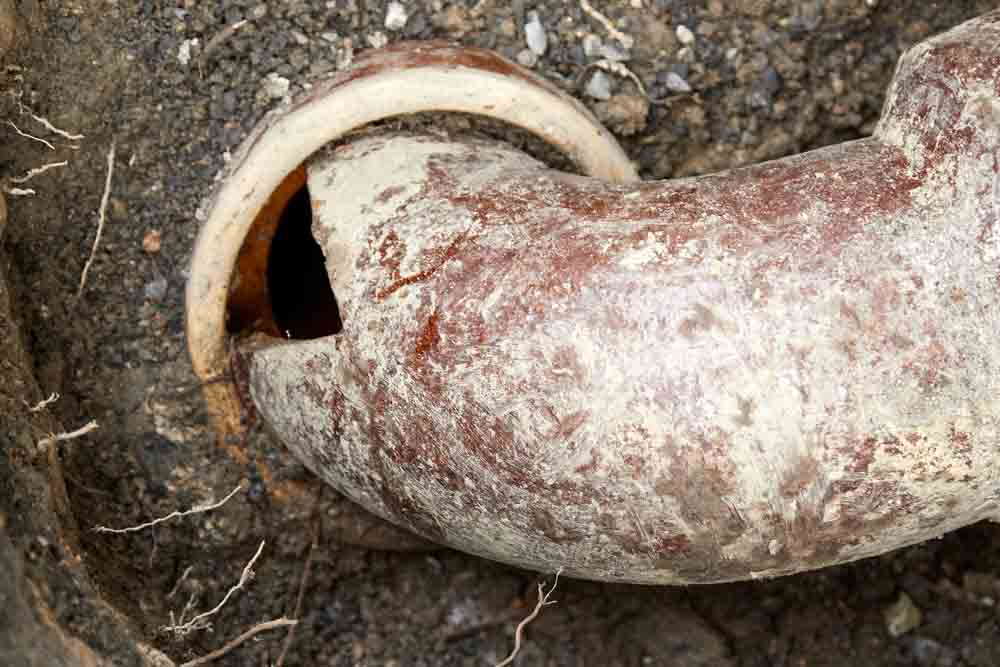
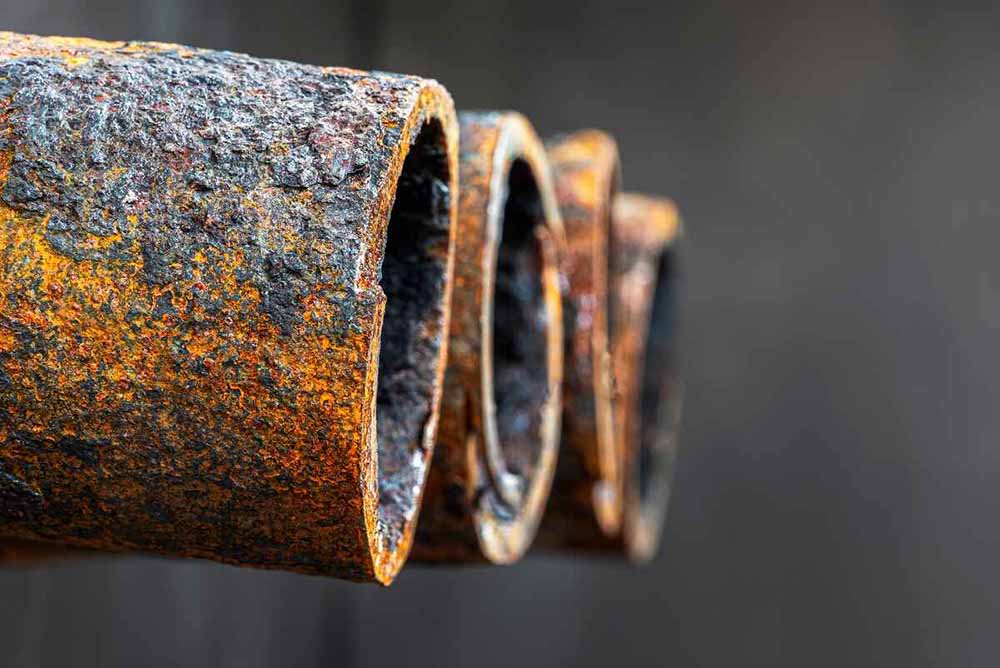
Outdated pipes are no longer recommended in the industry due to their issues and limitations. They no longer meet industry standards for safety, efficiency, or durability. They’re often found in older properties, 20 years old and more. Cast iron, galvanized steel, Orangeburg, clay, and polybutylene are among the most common types.

Pipes like these are prone to issues such as corrosion, leaks, and contamination. Once damage has set in, it progresses fast, with replacement as a recommended solution. They can also pose safety risks and are not easy to detect when they become damaged.

Methods For Dealing With Outdated Pipes

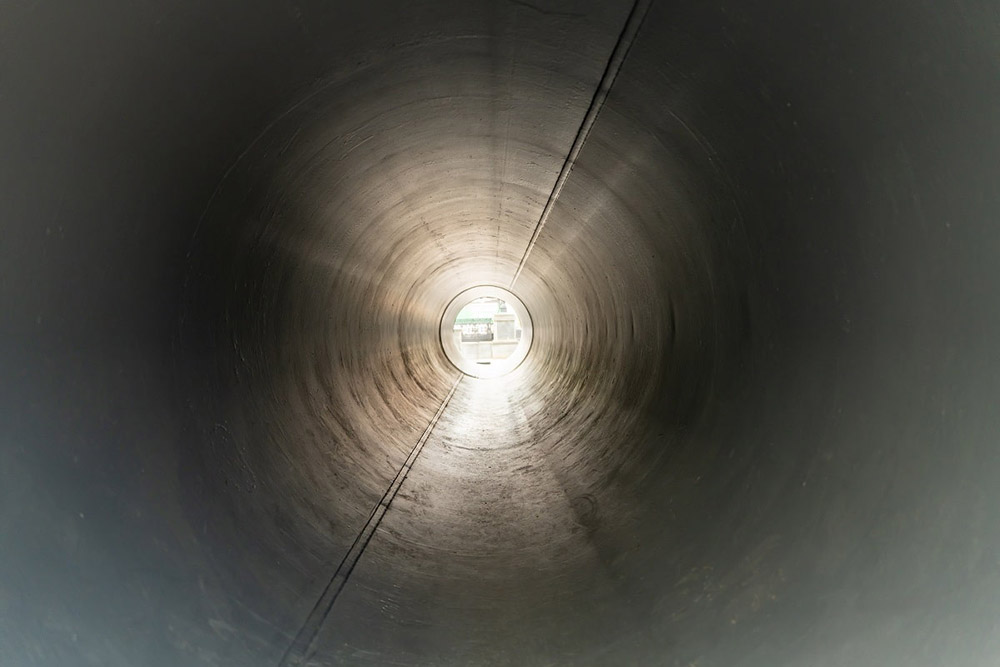
In early stages, it is possible to use trenchless pipe lining to prevent the progression of rust and corrosion. Plumbing techs insert a resin-coated liner into the existing pipe through access points or cleanouts. It cures to form a new, seamless inner pipe. It works when the structure of the pipe is still intact to support lining.

Pipe lining can line the whole stretch of pipe, prolonging its lifespan for 50 more years. This prevents corrosion, minor cracking, or joint separations without full replacement.

If the pipe is already in advanced stages of deterioration, the best solution is trenchless pipe replacement. Pipe lining will no longer work from the lack of structure. Instead, pipe bursting is the best solution. It destroys the damaged pipe with a boring drill while pulling a replacement pipe in place.

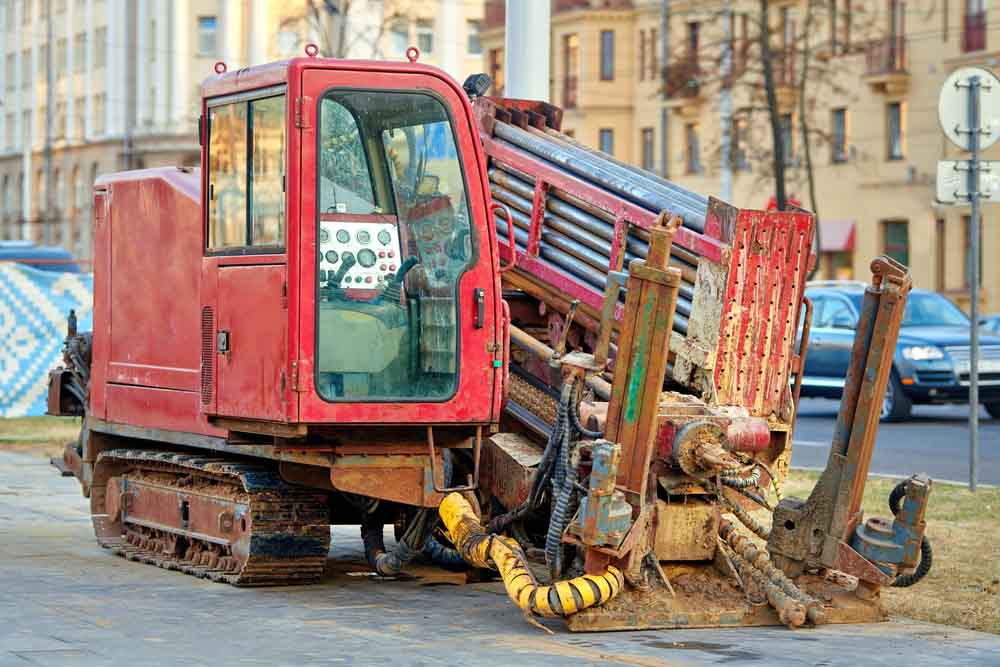
Another effective trenchless sewer replacement solution is installing new pipes near or in a better location. Trenchless horizontal directional drilling works great. It uses boring machines to create an underground space, where it pulls in the new pipes..

Clearline Sewer Repair specializes in replacing outdated sewer lines. Once they sustain damage, it’s best to start over and replace them. Call us today for an appointment.

Call Now Button